
Summer electric bills don’t have to leave you choosing between comfort and your budget. Small, strategic changes to how your home cools itself can trim energy use by nearly a third without ever touching the thermostat setting you actually enjoy. This guide walks through practical, proven steps that homeowners can take right now, from simple maintenance habits to smarter equipment decisions. By the end, you’ll have a clear roadmap for lowering your cooling costs while keeping every room comfortable.
Sealing Air Leaks Around Doors and Windows

Cool air escaping through gaps around doors, windows, and baseboards forces your system to work harder than necessary, often accounting for a significant chunk of wasted energy. A simple candle or incense stick test near frames on a windy day can reveal drafts you didn’t know existed. Weatherstripping and caulk are inexpensive fixes that pay for themselves within a single cooling season.
Beyond comfort, sealing leaks reduces humidity infiltration, which means your air conditioner doesn’t have to work overtime removing moisture from the air. This is one of the easiest do-it-yourself projects that delivers immediate, measurable results.
- Check weatherstripping on all exterior doors annually
- Use expanding foam for larger gaps around pipes and wiring
- Inspect window caulking every spring before peak heat arrives
- Add door sweeps to block drafts at the bottom of exterior doors
Upgrading Attic and Wall Insulation
Insufficient insulation allows conditioned air to escape through your ceiling and walls, making your cooling system fight a losing battle against outdoor heat. Most homes built before modern energy codes were established have insulation levels well below current recommendations. Adding insulation to the attic floor is often the single most cost-effective upgrade a homeowner can make for year-round energy savings.
The right insulation material and thickness depend on your climate zone, so it’s worth checking regional guidelines before purchasing materials. Blown-in cellulose or fiberglass batts are common choices, and many hardware stores offer free consultations to help you calculate how much you need.
- Aim for an attic insulation R-value between R-38 and R-60 in most climates
- Don’t block soffit vents when adding new insulation
- Check for compressed or moisture-damaged insulation, which loses effectiveness
- Consider radiant barrier products in extremely hot climates
Scheduling Routine System Checkups
A well-maintained cooling system runs more efficiently, lasts longer, and breaks down less often than one that’s ignored until something fails. Signing up for annual HV AC services ensures a trained technician cleans coils, checks refrigerant levels, and inspects electrical connections before small issues become expensive problems. Many homeowners are surprised to learn that a simple tune-up can improve efficiency by ten percent or more.
Skipping these checkups is one of the most common reasons systems lose efficiency over time. Dust, debris, and worn parts accumulate gradually, and by the time you notice higher bills or weaker airflow, the system has often been struggling for months. Reliable AC services can catch this gradual decline early, keeping your system running the way it was designed to.
- Schedule professional checkups once in the spring, before peak season
- Ask for a written report detailing the system condition after each visit
- Replace air filters every one to three months, depending on usage
- Keep outdoor condenser units clear of leaves and debris
Recognizing Warning Signs of a Failing System

Catching problems early can mean the difference between a minor fix and a costly breakdown during the hottest week of the year. Strange noises, weak airflow, inconsistent temperatures between rooms, and unexplained spikes in your energy bill are all signals worth investigating. Ignoring these signs often leads to a bigger AC repair down the road.
If you notice any of these symptoms, reaching out to a qualified AC repair contractor promptly can prevent further damage to compressors or ductwork. Many issues that seem minor, like a hissing sound or a slow leak, can escalate quickly if left unaddressed. Acting early and scheduling HVAC services typically saves money compared to waiting for a full system failure.
- Listen for grinding, rattling, or clicking sounds from indoor or outdoor units
- Watch for ice buildup on refrigerant lines
- Note rooms that never seem to reach the set temperature
- Track monthly energy bills to spot unusual increases
Choosing the Right Size Unit for Your Home
An oversized or undersized cooling system can waste energy and shorten equipment lifespan, even if it’s brand new. This is why professional AC installations should always include a proper load calculation rather than guesswork based on square footage alone. A unit that’s too large cools quickly but cycles on and off frequently, failing to properly remove humidity and leaving the air feeling clammy. A properly sized system runs longer cycles, which improves both comfort and efficiency.
Determining the correct size involves more than square footage. Factors like ceiling height, window placement, insulation quality, and local climate all play a role in calculating the ideal capacity for your space.
- Request a Manual J load calculation before purchasing new equipment
- Avoid choosing a unit based solely on the size of your previous system
- Factor in shade, sun exposure, and window count when sizing
- Ask about variable-speed compressors for more consistent comfort
Comparing Energy Efficiency Ratings Before You Buy
When it’s time to replace an aging system, understanding efficiency ratings can help you make a smarter financial decision. The SEER2 rating measures how efficiently a unit cools your home over an entire season, and higher numbers generally mean lower operating costs. While high-efficiency units often cost more upfront, the long-term energy savings can offset that difference within several years.
It’s worth comparing multiple options and asking detailed questions before committing to a purchase. Some models also qualify for manufacturer rebates or local utility incentives, which can significantly reduce the initial investment.
- Look for a minimum SEER2 rating of 14 or higher in most regions
- Ask about ENERGY STAR certification for additional efficiency assurance
- Compare warranty lengths across different brands
- Research available rebates through your utility provider
Sealing and Insulating Your Ductwork

Leaky ducts can lose a substantial percentage of conditioned air before it ever reaches your living space, especially in homes with ductwork running through attics or crawl spaces. This wasted air translates directly into higher bills and uneven temperatures throughout the house. A simple visual inspection combined with a professional pressure test can reveal exactly where leaks are occurring, and scheduling this kind of check during a routine AC maintenance service makes it easy to catch problems before they escalate.
Sealing ducts with mastic sealant or metal tape, rather than standard duct tape, provides a longer-lasting fix. Insulating exposed ductwork in unconditioned spaces further reduces energy loss and helps your system maintain consistent temperatures room to room.
- Check duct connections at joints and elbows for gaps
- Insulate ducts running through attics, garages, or crawl spaces
- Consider a professional duct blower test for accurate leak detection
- Replace severely damaged or crushed duct sections rather than patching them
Selecting Reliable Professionals for Repairs and Installations
Finding trustworthy help matters just as much as the equipment you choose. Reputable AC companies typically carry proper licensing, insurance, and manufacturer certifications, which protect you if something goes wrong during a job. Taking time to read reviews and ask for references before hiring can save you from costly mistakes.
Whether you need a small fix or a full system replacement, working with experienced AC contractors ensures the work meets local codes and manufacturer specifications. A qualified professional should be willing to explain the problem clearly, provide a written estimate, and answer questions without pressuring you into unnecessary upgrades.
- Verify licensing and insurance before signing any contract
- Request at least two or three written estimates for major work
- Ask how long the company has been operating in your area
- Confirm they offer a workmanship warranty separate from manufacturer coverage
Exploring Smart Thermostats and Zoning Systems
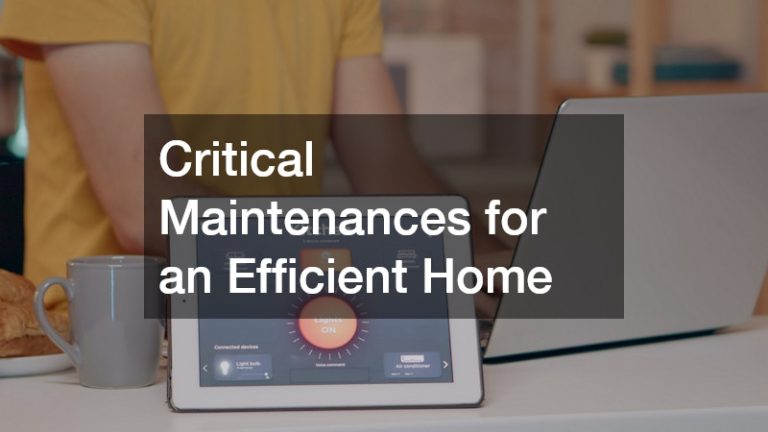
Technology has made it easier than ever to fine-tune cooling without sacrificing comfort. Smart thermostats like the Nest, Ecobee, and Honeywell Home models learn your schedule and adjust temperatures automatically, cooling empty rooms less aggressively while keeping occupied spaces comfortable. Most units let you set geofencing, so the system starts cooling before you arrive home and eases off when everyone’s out, often trimming 10-15% off cooling costs on their own.
Zoning systems take this a step further by dividing your home into separate temperature-controlled areas, each with its own thermostat and dampers in the ductwork. This means you’re not paying to cool a rarely used guest room to the same degree as your living room or bedroom. For larger homes or multi-story layouts, zoning can address the common problem of upstairs rooms running warmer than the rest of the house.
Many smart thermostats also provide detailed energy usage reports, breaking down consumption by time of day and even flagging unusual spikes that might signal a maintenance issue. Some models integrate with humidity sensors or smart vents, adding another layer of precision to your cooling strategy. Reviewing these reports monthly can help you spot patterns and adjust settings for even greater savings over time.
Zoning systems take this concept further by dividing your home into separate temperature-controlled areas, each with its own thermostat and a series of motorized dampers installed in the ductwork. This approach is especially useful in multi-story homes, where heat naturally rises, and upper floors can run 5-10 degrees warmer than lower levels, or in houses with rooms that receive uneven sun exposure throughout the day.
A typical setup includes two to four zones, controlled by a central panel that coordinates when dampers open or close based on each area’s demand. This means your home office can stay cool during afternoon sun while the bedrooms you’re not using stay at a more energy-efficient temperature, rather than cooling the entire house to satisfy one hot room.
Homeowners considering zoning should factor in the added upfront cost, typically $2,500 to $3,500 for professional installation, since it involves both ductwork modifications and additional thermostats. That said, the payoff can be substantial: many homeowners report 20-30% savings on cooling bills by eliminating the waste of conditioning unused or unoccupied spaces.
- Program setback temperatures (78-80°F) for hours when the house is empty, saving up to 10% annually per the EPA’s Energy Star guidelines
- Use geofencing features to adjust cooling based on your phone’s location, so the system starts cooling before you arrive home instead of running all day
- Install zone dampers for rooms with inconsistent temperatures, letting you cool upstairs bedrooms less during the day and living areas less overnight
- Pair zoning with multiple thermostats or sensors so each zone responds to its own conditions rather than one central reading
- Review monthly usage reports to track improvement over time, comparing degree-days to usage to account for weather swings
- Adjust schedules seasonally, since setback needs in early summer differ from peak-heat months
Building a Long-Term Home Comfort Plan
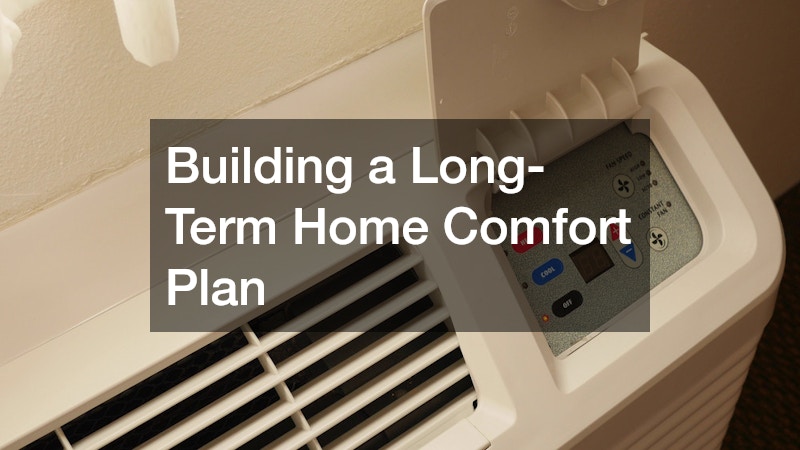
Cutting cooling costs isn’t a one-time project but an ongoing process that benefits from regular attention. Working with a knowledgeable HVAC company for annual inspections, combined with the efficiency upgrades covered above, creates a comprehensive strategy that keeps your home comfortable year after year. Bundling tasks like filter changes, duct checks, and thermostat programming into a seasonal routine makes the process far less overwhelming.
Many providers now offer comprehensive air conditioning services that cover everything from tune-ups to seasonal readiness checks under one plan. This kind of ongoing relationship often means faster response times and priority scheduling when you need help most, along with better long-term tracking of how your system is performing.
- Create a seasonal checklist covering filters, ducts, and thermostat settings
- Ask providers about maintenance plans that bundle multiple services
- Keep records of past repairs and installations for future reference
- Revisit your cooling strategy every few years as equipment ages
Cut Your Cooling Costs: Simple Steps for Big Savings!
Trimming 30 percent off your cooling costs is realistic when you combine small daily habits with smart long-term decisions about equipment and maintenance. Start with the simplest fixes, like sealing leaks and scheduling a tune-up, then work your way toward bigger investments as your budget allows. Every improvement builds on the last, moving you closer to a home that stays comfortable without straining your wallet.