

High energy bills, sudden system breakdowns, and premature home wear often stem from simple neglected maintenance. When systems run out of sight, it is easy to assume they are working properly until a spike in your utility bill or an unexpected leak proves otherwise. True home efficiency is not just about installing modern smart appliances or dialing back the thermostat. It requires keeping your home’s core structural, mechanical, and electrical infrastructure operating in complete harmony.
When one component struggles, it places unnecessary strain on the rest of the house. For example, poor insulation forces your heating and cooling equipment to work twice as hard, while clogged drains or leaking roofs introduce moisture that can compromise walls and electrical systems. A proactive, preventative maintenance strategy protects your wallet, improves daily indoor comfort, and boosts long-term property value. By giving proper attention to each major area of your living space, you create a home that is safer, more resilient, and significantly cheaper to run.
Powering Modern Life Safely: Upgrading Your Home’s Energy Infrastructure

Your home’s electrical system is the invisible backbone that powers every modern convenience, from kitchen appliances to heating equipment and home entertainment systems. However, as household electrical demands grow, outdated or neglected wiring can quickly become a major bottleneck for energy efficiency and a serious safety hazard. An inefficient electrical setup often manifests as flickering lights, frequently tripped breakers, or warm switch plates—all signs that energy is being wasted as heat rather than powering your devices cleanly.
To keep your power distribution running smoothly, begin with routine inspection and load management:
- Conduct annual outlet and switch audits: Walk through every room and touch the faceplates of your outlets and light switches. If any feel warm to the touch, or if you notice buzzing sounds, turn off power at the breaker immediately. Warm plates indicate loose wiring or arcing, which wastes electricity and poses a severe fire risk.
- Audit your circuit usage: Avoid overloading individual circuits with high-draw appliances like space heaters, microwave ovens, or portable air conditioners. Spreading heavy loads across multiple dedicated circuits prevents system strain and voltage drops.
- Inspect outdoor electrical fixtures: Ensure weatherproofing seals around exterior outlets, floodlights, and security cameras remain intact to prevent moisture from causing short circuits.
When adding modern high-draw technology to an older property—such as an electric vehicle charger, a heat pump, or an induction cooktop—your existing infrastructure may reach its limit. Modern homes typically require 200-amp service to handle heavy electrical loads safely. If your house still operates on a 60-amp or 100-amp setup, your system will constantly struggle to deliver power efficiently. Engaging a qualified residential electrician to assess your home’s total load capacity is the safest way to ensure your system can meet current demands.
In many cases, an electrical panel upgrade becomes necessary to replace outdated fuse boxes or undersized breaker panels. Upgrading to a modern breaker panel eliminates dangerous circuit overloads, reduces internal electrical resistance, and ensures that every watt of electricity flowing into your home reaches its intended destination without energy loss.
Year-Round Indoor Comfort: Keeping Heating and Cooling Systems at Peak Performance
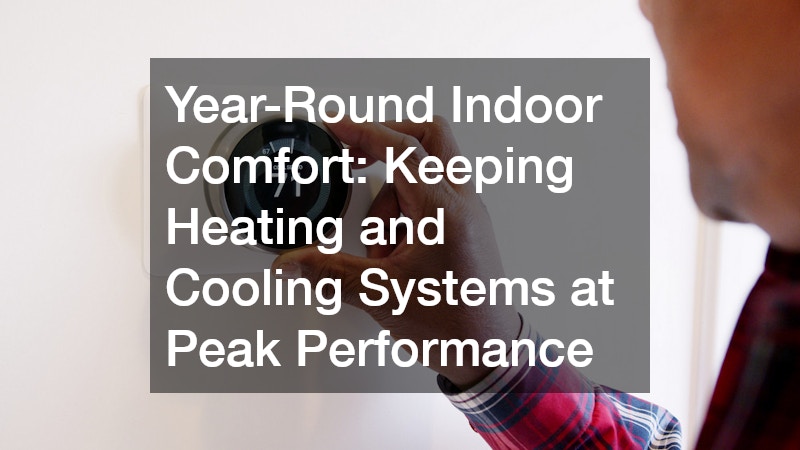
Heating and cooling account for more than half of the average home’s energy consumption. When these systems are ignored, dust, friction, and airflow restrictions slow them down, causing them to draw significantly more energy to achieve basic temperature settings. Maintaining your climate control equipment is the single most effective way to lower monthly utility bills while maintaining a stable, comfortable environment indoors.
Peak efficiency starts with routine, accessible maintenance tasks that every homeowner should handle:
- Replace air filters regularly: Check your HVAC air filter monthly and replace it at least every 60 to 90 days. A clogged filter forces the blower motor to pull harder against resistance, increasing energy draw and causing overheating.
- Maintain clear outdoor clearances: Keep the area surrounding your outdoor condenser unit free of leaves, tall grass, weeds, and debris. Maintain at least two feet of clear space around all sides so the unit can disperse heat effectively.
- Clean indoor supply and return vents: Vacuum dust from floor registers and wall return grilles to ensure air circulates freely throughout the house without backpressure.
- Inspect and seal accessible ductwork: Duct leaks in basements, attics, or crawlspaces can lose up to 30 percent of conditioned air before it reaches your living spaces. Seal visible joints with foil-backed duct tape or mastic sealant.
When cooling equipment begins to fail, subtle warning signs usually appear before a complete breakdown occurs. Frost accumulating on copper lines, short cycling where the compressor turns on and off rapidly, or humidity levels rising indoors all indicate underlying problems. Ignoring these signs forces the system to run constantly at reduced capacity. Promptly scheduling professional air conditioning repair prevents minor issues like a low refrigerant level or a worn capacitor from turning into complete compressor failure.
Eventually, every heating and cooling system reaches the end of its functional lifecycle, usually between 15 to 20 years. When repairs become frequent or energy bills climb despite regular tune-ups, replacing outdated units with modern high-efficiency models pays off over time. Investing in a professional hvac installation ensures that your new furnace, heat pump, or central air unit is correctly sized for your home’s square footage, guaranteeing optimal airflow, lower monthly operational costs, and reliable temperature control for years to come.
Preventing Invisible Water Damage: Proactive Maintenance for Smooth Drainage
Water is essential for daily living, but unmanaged water is one of the most destructive forces a house can face. From slow supply line leaks inside walls to clogged waste lines beneath the slab, plumbing issues can quietly damage building materials, encourage mold growth, and waste thousands of gallons of water annually. Maintaining your plumbing infrastructure requires balancing water delivery efficiency with proper waste removal.
Protecting your home’s water lines and fixtures requires a few straightforward checking habits:
- Monitor home water pressure: Attach a simple pressure gauge to an outside hose spigot. Ideal home water pressure ranges between 40 and 60 PSI. Pressure above 80 PSI stresses pipe joints, valves, and appliance solenoids, leading to premature leaks.
- Inspect supply lines annually: Check flexible braided metal lines connecting toilets, sinks, washing machines, and water heaters. Replace any lines showing signs of corrosion, bulging, or fraying every five to seven years.
- Test main water shutoff valves: Locate your home’s main water valve and turn it twice a year to ensure it moves smoothly. A stuck valve in an emergency can turn a simple leak into a major flooding disaster.
- Flush the water heater: Drain a few gallons from your water heater tank annually to remove sediment accumulation. Tank sediment acts as an insulating barrier, forcing the burner or heating elements to consume more energy to warm the water.
Wastewater systems require equal vigilance. Hair, soap scum, grease, and tree roots gradually narrow pipe interiors, slowing drainage and building up pressure inside waste lines. While chemical drain cleaners offer a quick fix, their harsh chemicals corrode metal pipes and weaken PVC joints over time. Relying on professional drain cleaning techniques, such as hydro-jetting or mechanical snaking, safely restores pipes to full diameter without damaging your plumbing system.
For broader system health, comprehensive plumbing services offer a total evaluation of your home’s concealed pipes, sewer lines, and water fixtures. Annual professional inspections catch hidden slow leaks behind drywall, identify underground root intrusions, and ensure fixtures use water efficiently, protecting both your home’s structural framing and your water bill.
Stopping Drafts and Moisture Infiltration: Exterior Walls and Window Seals
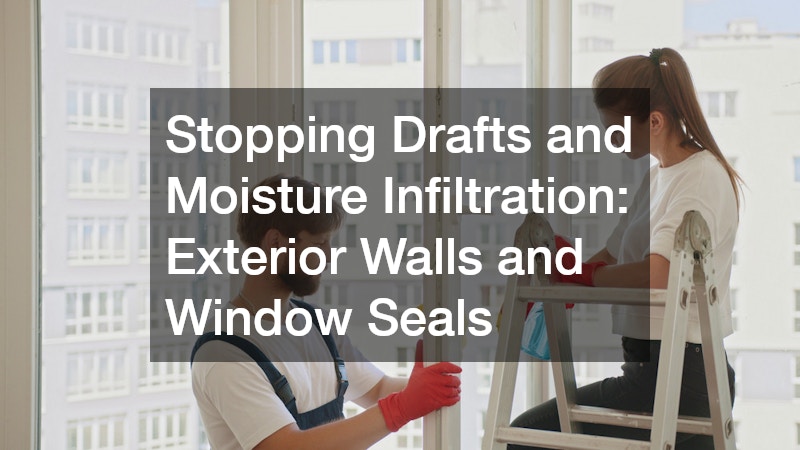
The outer shell of your home, known as the building envelope, acts as a barrier against outdoor weather extremes. When this envelope develops gaps, cracks, or structural defects, thermal energy escapes rapidly during winter, while summer heat pours in. Maintaining wall cladding, trim, and windows creates a tight seal that lightens the load on your HVAC system and keeps moisture from penetrating interior walls.
Maintaining your exterior wall envelope involves routine visual checks and simple sealing work:
- Inspect perimeter caulking: Check the seals around exterior door frames, window openings, and wall penetrations like dryer vents and pipe entry points. Scrape away cracked or peeling caulk and apply fresh outdoor-rated silicone sealant.
- Check window weatherstripping: Examine the flexible foam or rubber seals along window sashes. Worn weatherstripping allows cold air drafts in winter and lets air-conditioned air escape in summer.
- Examine exterior wall surfaces: Walk around your property twice a year to look for warped, cracked, or loose wall coverings. Check ground clearance to ensure siding sits at least six inches above the soil line to deter moisture wick-up and pest activity.
- Clean weepholes: Ensure weepholes along brick ledges or lower wall tracks remain clear of dirt and debris so trapped moisture can drain out freely.
When exterior wall cladding deteriorates beyond simple repairs, moisture can infiltrate the underlying wood framing, leading to rot, structural weakening, and hidden mold. Replacing damaged exterior panels with modern, insulated materials dramatically improves thermal performance. Partnering with a skilled home siding contractor ensures that vapor barriers and wall wraps are installed properly behind wall cladding, preventing wind-driven rain from reaching structural studs while reflecting heat away from the living space.
Windows are another critical component of your thermal envelope. Single-pane glass or failing double-pane windows with broken seals allow massive heat transfer, forcing your heating and cooling equipment to run continuously. Investing in modern window installation upgrades your home to energy-efficient, multi-pane glass coated with low-emissivity films. These modern windows block UV rays, reduce noise transfer, and create a tight seal that maintains indoor temperatures with minimal energy consumption.
Extending Roof Life: Spotting Vulnerabilities Before Rain Gets In
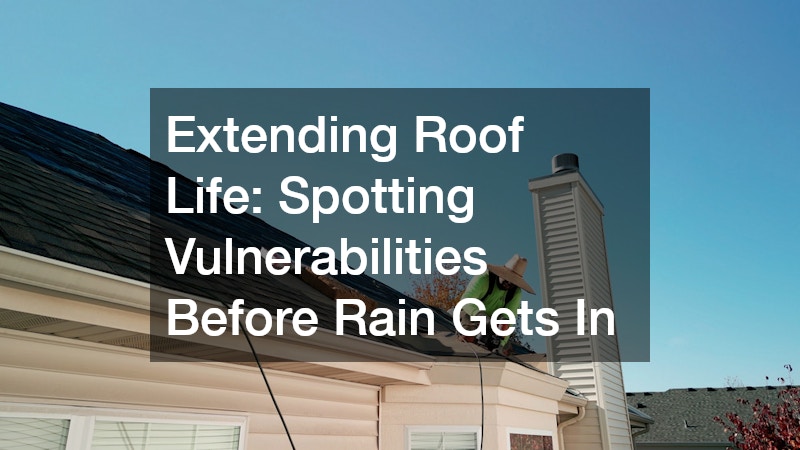
Your roof is the first line of defense against rain, snow, hail, and extreme solar radiation. Because it bears the brunt of every storm, even minor roof defects can quickly escalate into interior water damage, ruined insulation, and ceiling collapses. Regular upper-level maintenance ensures that water sheds off the building structure quickly before it has a chance to pool or penetrate.
Maintaining a healthy roof structure involves clear routines both outside and inside the attic:
- Clean gutters and downspouts: Clear debris from gutters every spring and fall. Clogged gutters cause water to back up under lower roof edges, rotting fascia boards and pushing moisture into interior walls.
- Ensure downspouts discharge away from foundations: Extend downspout outlets at least four to six feet away from your home’s foundation to prevent water from collecting around basement walls.
- Inspect attic space from inside: Head into the attic on a bright day and look for pinpricks of sunlight coming through the roof deck. Check the underside of the roof sheathing for dark moisture stains, sagging wood, or damp insulation.
- Trim overhanging tree branches: Keep tree limbs trimmed back at least six feet from the roof surface to prevent physical scraping damage during high winds and to reduce leaf drop in gutters.
Extreme weather events take a heavy toll on roofing materials. High winds can lift shingle edges, while hail cracks protective surface granules, exposing underlying asphalt to solar decay. Performing prompt roof repairs after major storms—such as replacing missing shingles, resealing pipe boots, and repairing damaged metal flashing around chimneys—prevents small leaks from rotting the structural plywood deck underneath.
When roofing systems reach 20 to 25 years of age, simple spot repairs may no longer prevent leaks across the broader surface. At this stage, working with a trusted roofing contractor allows you to plan a full roof replacement before catastrophic water damage occurs. Modern roofing materials feature improved solar reflectivity, fire resistance, and wind warranties, turning a mandatory structural update into an opportunity to boost overall energy efficiency.
Executing a home efficiency strategy is most effective when combining personal inspections with expert evaluations. Homeowners can manage filter changes, minor caulking, gutter clearing, and visual checks, while larger updates require technical expertise. A home maintenance logbook—digital or paper—tracks service dates, equipment model numbers, warranty terms, and repair needs. This removes guesswork from home care by documenting service history and inspections.
Prioritize projects by return on investment and structural risk. Address moisture leaks and roof damage first as water damage worsens over time. Focus on high-energy systems like HVAC and electrical safety, then upgrade thermal components like window seals to enhance energy savings. Maintaining a proactive schedule turns home care into a manageable routine. Time and attention to core systems reduce energy costs, ensure safety, and optimize property efficiency.