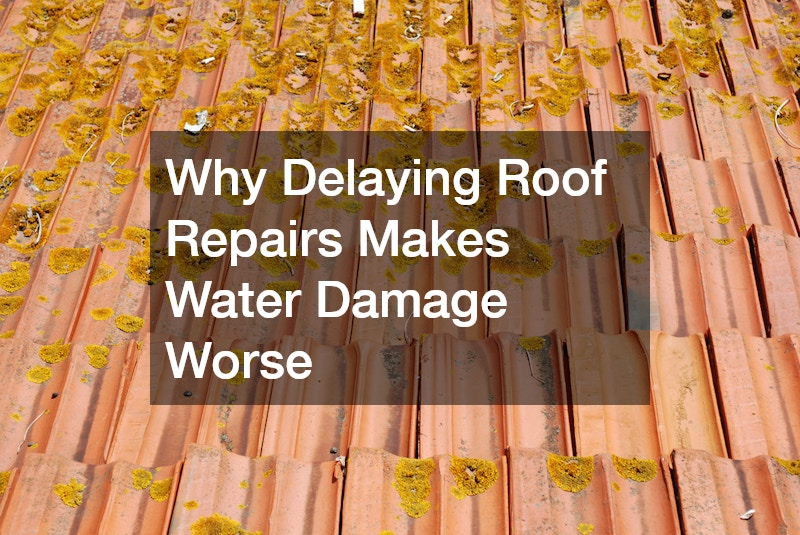

A damaged roof may seem like a minor concern at first, especially if there are no obvious leaks inside the home. However, even small roofing problems can allow moisture to enter and gradually affect structural components over time. Water often travels far from the original point of entry, making hidden damage difficult to detect until it becomes much more serious. Delaying repairs gives moisture additional time to spread, increasing the likelihood of costly restoration work. Routine inspections and prompt maintenance help identify developing issues before they lead to widespread damage.
Many homeowners rely on experienced local roofers to evaluate potential roofing concerns and recommend timely repairs that protect their property. Understanding why early action matters can help you preserve both your roof and your home’s long-term condition.
Small Leaks Can Become Major Problems
A tiny roof leak rarely stays small for long. Rainwater that enters through damaged shingles, flashing, or roof penetrations continues to spread every time it rains. Moisture can soak into roof decking, insulation, and framing before becoming visible inside the home. Because water often travels along structural materials, the location of an interior stain may not match the source of the leak. This hidden movement allows damage to develop unnoticed for extended periods. As moisture accumulates, repairs often become more extensive than if the issue had been addressed immediately. Taking action when a leak first appears helps limit the amount of damage that occurs. Prompt repairs protect both the roofing system and the structure beneath it.
Moisture Can Damage Structural Components
Your roof protects many important structural elements that support the home. When water enters through damaged roofing materials, it can gradually weaken wooden decking, rafters, and framing. Continued exposure to moisture may cause wood to soften, warp, or deteriorate over time. Structural damage often develops slowly, making it difficult for homeowners to recognize without a professional inspection. As affected materials weaken, the roof may become less capable of handling additional weather-related stress. Repairing structural damage is often more complicated than fixing the original roof problem. Addressing leaks early helps preserve the strength of the home’s framework. Preventative maintenance reduces the likelihood of expensive structural repairs later.
Wet Insulation Loses Its Effectiveness
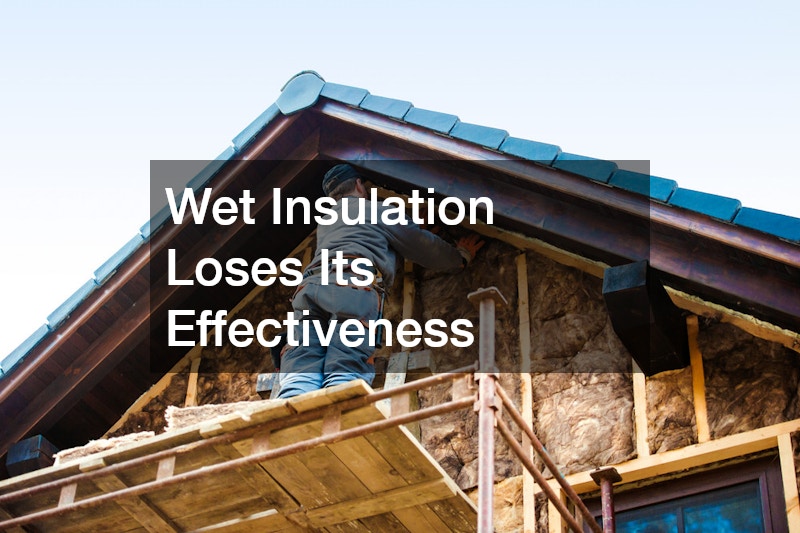
Roof leaks do more than damage wood and drywall. Water can also soak into attic insulation, reducing its ability to regulate indoor temperatures. Wet insulation loses much of its insulating value and may remain damp long after the roof leak has stopped. As efficiency decreases, heating and cooling systems often work harder to maintain comfortable indoor conditions. Higher energy usage may become an unexpected consequence of an untreated roof leak. Damp insulation may also require complete replacement if it cannot be properly dried. Maintaining a watertight roof helps protect both your home’s comfort and energy efficiency. Keeping insulation dry supports better overall system performance throughout the year.
Hidden Moisture Encourages Mold Growth
One of the greatest risks associated with delayed roof repairs is hidden moisture accumulation. Damp areas inside attics, wall cavities, and ceilings create conditions where mold may begin to develop. Because these spaces are often concealed, mold growth can continue for extended periods before becoming noticeable. Homeowners may first detect the problem through musty odors or visible staining on ceilings and walls. Eliminating mold often requires addressing both the moisture source and the affected building materials. Preventing water intrusion is one of the most effective ways to reduce the risk of mold-related problems. Prompt roof repairs help keep interior spaces dry and better protected. Addressing leaks early minimizes the opportunity for moisture-related issues to spread.
Storm Damage Can Continue to Worsen
Roof damage caused by wind, hail, or falling debris may appear minor immediately after a storm. However, damaged shingles or flashing leave the roof more vulnerable during future weather events. Additional rainfall can enter through these weakened areas, expanding the extent of water damage with every storm. What begins as a small repair may eventually require larger sections of the roof to be restored if left unattended. Inspecting the roof after severe weather helps identify damage before additional moisture enters the home. Even if leaks are not immediately visible, underlying damage may already exist.
Interior Finishes Can Suffer Water Damage
As roof leaks continue, water eventually reaches the interior portions of the home. Ceilings, walls, paint, flooring, and personal belongings may all become affected once moisture moves beyond the attic. Water stains often appear only after damage has already occurred above the finished surfaces. Continued exposure can cause drywall to soften, paint to peel, and wood finishes to deteriorate. Repairing interior damage often adds significant expense beyond the original roofing repair. Regular inspections and prompt maintenance are key to preventing small roofing concerns from becoming major restoration projects. If you notice missing shingles, water stains, or signs of roof damage, scheduling a professional inspection can help identify the source before it worsens. Taking action today helps ensure your roof continues protecting your home through every season.