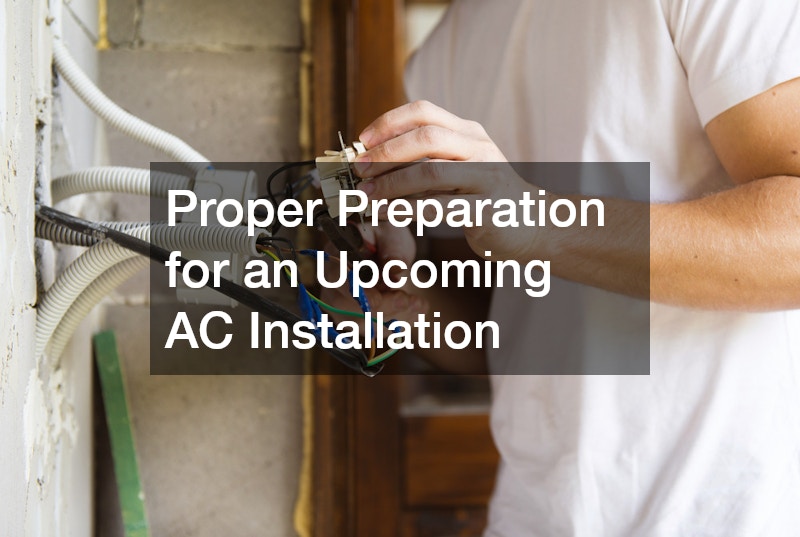

Preparing for an AC installation is critical to ensuring that the process goes smoothly and that your system operates efficiently. This article will guide you through the essential steps needed for proper preparation. For homeowners, a well-installed air conditioner can be a significant investment, promising years of enhanced indoor comfort.
In this regard, understanding the processes involved and what you can do to facilitate them is vital. By following the advice herein, you’ll be set for an energy-efficient and effective cooling solution.
What steps should you take to prepare your home before the technicians arrive?
Before the installation day arrives, homeowners should begin by clearing the area where the AC unit will be installed. This could involve moving furniture that obstructs the path or space, removing any artwork or fragile items from walls, and ensuring the area is easily accessible. The presence of clutter or obstacles can not only delay the installation process but may also pose potential safety hazards for the installation team. It’s also advisable to discuss with the technicians about any additional space they might need for their tools and equipment. Additionally, ensuring the pets and children are kept away from the installation area can prevent distractions and accidents, promoting a safe working environment.
Communication is essential when preparing for an AC installation. Make sure to confirm the appointment date and time with the HVAC company, ensuring there’s a mutual understanding to avoid any last-minute changes. Moreover, discussing the installation details can provide clarity about the timeline and what to expect throughout the process. Preparations might also entail securing necessary permits, if applicable, which can usually be coordinated by the HVAC service provider. Doing so not only streamlines the process but also helps in avoiding any legal complications later on.
How do you choose the right AC unit for your home?
Selecting an appropriate AC unit involves careful consideration of several factors, starting with the size of your space. An air conditioner that’s too small won’t effectively cool your home, while one that’s too large will cycle on and off frequently, reducing its efficiency and lifespan. To determine the appropriate size, you might need to consult with a professional who can calculate the necessary British Thermal Units (BTUs) based on your home’s square footage. Moreover, the unit’s Seasonal Energy Efficiency Ratio (SEER) rating can offer insights into its efficiency — higher ratings typically denote better energy performance. Making a well-informed choice at this stage can significantly affect the long-term benefits and costs associated with your purchase.
Energy efficiency and environmental considerations are equally important when choosing an air conditioning unit. Opt for models with ENERGY STAR certification, as these are designed to decrease environmental impact and utility bills due to their intelligent use of power. Additionally, consider units that use eco-friendly refrigerants, which help minimize harm to the ozone layer. Integrating smart technology, such as programmable thermostats, can further enhance energy savings by regulating cooling schedules based on your routines. Deliberate consideration of these factors will not only fulfill cooling needs but also promote sustainability and cost-efficiency.
Beyond technical specifications, the choice of air conditioning system should also align with your personal preferences regarding noise levels, aesthetic fit, and additional features. For instance, ductless mini-split systems offer a quieter, more minimalist option that might better suit modern home designs. Conversely, traditional central air conditioning might be preferable for those who value uniform cooling with hidden components. Where possible, test the units personally at showrooms to get a sense of their operational noise and feature functionality. Ultimately, selecting an AC system is a blend of evaluating objective technical needs and accommodating subjective lifestyle preferences.
What should you expect during the AC installation process?
The AC installation process typically begins with the arrival of a licensed and experienced team to carry out the task. Initially, the technicians will set up a safety perimeter and review the installation plan to ensure everything is in order. They will likely begin by removing any old units or preparing the site for a fresh installation if it’s a new construction job. The process also includes precise installation of the indoor and outdoor components of the AC system, ensuring all connections, lines, and ductwork are suitably in place. This stage requires a keen eye for detail, as the quality of this setup can substantially impact the system’s future performance and efficiency.
Proper preparation for an AC installation not only simplifies the process but also ensures long-term efficiency and performance of your air conditioning system. By following the guidelines outlined—clearing space, securing permits, confirming installation details, choosing the right unit, and understanding the installation process—you will be well-prepared for a seamless installation experience. Involving experts at every stage maximizes your unit’s potential while minimizing risks and downtime, ultimately enhancing comfort within your home environment. This holistic approach to AC installation ensures a successful transition to improved indoor air quality and energy efficiency. Take the time to prepare and invest wisely, and you will reap the rewards in comfort and cost savings for years to come.