
Water leaks are one of the most common — and expensive — problems homeowners face. A small drip hidden behind a wall or beneath a floor can quietly waste hundreds of gallons of water each month while slowly damaging the structure of a home. By the time most leaks become visible, the repair bill often includes more than just fixing the pipe. Water damage, mold growth, and damaged flooring or drywall can dramatically increase the cost.
Fortunately, advances in smart home technology have made it easier than ever to catch these problems early. Smart plumbing devices now monitor water flow, pressure changes, moisture levels, and other data points in real time. Instead of waiting for visible signs like stains or warped flooring, these systems detect subtle changes that indicate a leak may be forming.
These devices connect to smartphone apps, home automation systems, or monitoring platforms that notify homeowners instantly when something unusual happens. Some systems even shut off the water automatically to prevent flooding or severe damage. By combining sensors, artificial intelligence, and real-time monitoring, modern plumbing technology can identify problems long before homeowners notice them.
In this guide, we’ll explore how these devices work and how homeowners can use them to detect plumbing issues early, prevent damage, and maintain a safer, more efficient home.
Understand the Early Warning Signs Smart Devices Look For
Smart leak detection systems are designed to identify subtle patterns that indicate something may be wrong with a home’s plumbing system. These systems constantly monitor water flow and usage patterns, learning how water typically moves through a household during normal daily activities. When something changes—like water flowing continuously in the middle of the night—it triggers an alert.
Many homeowners rely on plumbers only after a leak becomes obvious. However, smart monitoring technology allows problems to be detected much earlier. Sensors placed near pipes, appliances, and fixtures measure moisture, temperature, and vibration levels. When readings move outside their normal range, the system flags the activity as a potential leak or malfunction. Once these irregularities are detected, alerts are sent through mobile apps or monitoring platforms. In many cases, homeowners can quickly schedule plumbing services to inspect the issue before it becomes a major repair. Early detection not only prevents damage but also saves water and reduces long-term maintenance costs.
The biggest advantage of smart leak detection is its ability to identify issues that are otherwise invisible. Many leaks occur behind walls, under slabs, or inside ceilings where homeowners cannot easily see them. Smart monitoring systems bridge that gap by constantly analyzing the plumbing system and providing immediate feedback.
Install Whole-Home Water Monitoring to Catch Hidden Pipe Leaks
Whole-home water monitoring systems are one of the most effective tools for identifying hidden plumbing leaks. These systems are installed directly on the main water line entering the home, allowing them to track every drop of water flowing through the plumbing system. By monitoring the entire household’s water usage, they can quickly detect unusual patterns.
Proper installation is important for accuracy. A licensed plumber ensures the device is positioned correctly on the main water supply and calibrated to match the home’s plumbing layout. Incorrect installation can lead to inaccurate readings or missed alerts, which defeats the purpose of the monitoring system. For homeowners concerned about installation costs, it’s often possible to work with an affordable plumber who specializes in smart home plumbing technology. Many devices are relatively easy to install, especially if the plumbing system already has accessible shutoff valves or monitoring ports.
Beyond leak detection, these systems also help homeowners understand their daily water usage habits. Many apps provide detailed breakdowns showing how much water is used for showers, dishwashers, irrigation systems, and washing machines. This data can help identify inefficiencies and reduce monthly utility bills.
Over time, whole-home monitoring becomes even more accurate as the system learns the household’s typical routines. The result is a highly sensitive early warning system that can detect even small leaks before they become serious problems.
Use Smart Shutoff Valves to Stop Damage Automatically
While leak detection is important, preventing damage is even more critical. Smart shutoff valves are designed to automatically stop water flow when a leak is detected. These devices are installed on the main water line and can shut off the entire water supply in seconds if a problem occurs.
Smart shutoff valves work by combining flow monitoring technology with automatic controls. When the device detects continuous water flow that doesn’t match typical usage patterns, it assumes a leak or burst pipe may be present. The system then closes the valve and sends a notification to the homeowner’s phone.
Some shutoff systems can be integrated with broader plumbing services platforms that allow remote monitoring and control. Homeowners can turn water on or off from their smartphone, check water usage history, or receive alerts when unusual activity occurs.
Common situations where automatic shutoff systems are especially useful include:
- Burst pipes during winter freezes
- Broken appliance supply lines
- Leaking water heaters
- Overflowing toilets or sinks
- Vacation homes left unattended for long periods
After the system shuts off the water, homeowners can investigate the problem or call a professional for repairs. Many systems allow the water to be temporarily restored once the issue has been inspected.
Smart shutoff valves significantly reduce the risk of catastrophic water damage. Instead of returning home to flooded floors or ceilings, homeowners receive immediate alerts, and the water supply is already secured. This technology is becoming one of the most recommended upgrades for modern homes.
Monitor Underground Pipes Before Problems Reach the Surface
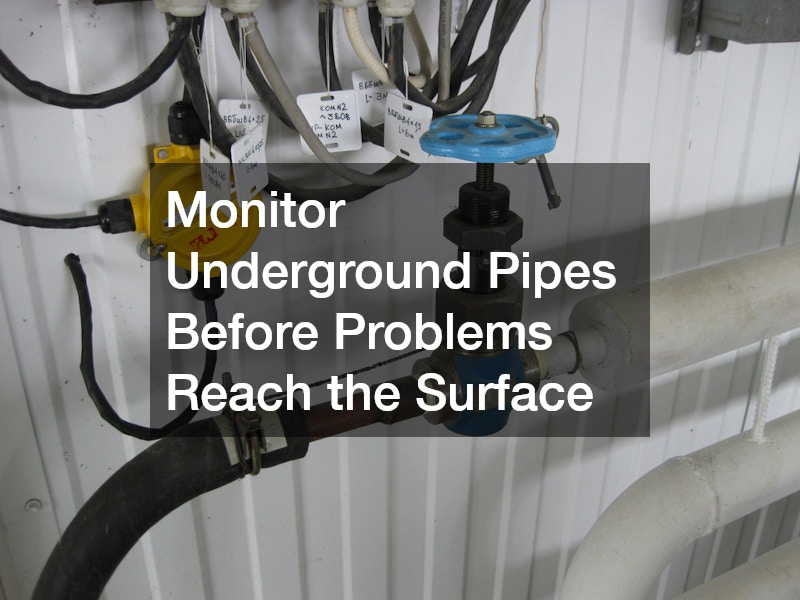
Underground pipes present a unique challenge because leaks often remain hidden for months or even years. Water can slowly seep into the surrounding soil without producing obvious signs inside the home. Smart monitoring technology helps identify these issues before they require costly excavation.
Advanced plumbing systems track pressure levels in underground lines and detect subtle drops that suggest a developing leak. If a crack or weak joint begins to form, water pressure readings may fluctuate slightly. Over time, the monitoring system recognizes these changes and sends an alert.
Regular sewer line cleaning also plays an important role in maintaining underground plumbing systems. Debris buildup, grease accumulation, and sediment deposits can cause pressure irregularities that smart monitoring systems detect. Addressing these problems early prevents more serious issues such as pipe collapse or severe blockages.
Some smart systems also analyze water flow patterns that indicate underground problems. For example, if water continues flowing even when indoor fixtures are off, the system may suspect a leak in an exterior line.
In many cases, detecting underground problems early can prevent major repairs. Instead of digging up large sections of yard or driveway, technicians can focus on the specific section of pipe identified by the monitoring system. This targeted approach reduces both repair time and overall costs.
Detect Slow Drains Before They Turn Into Major Pipe Failures
Slow drains are often the first sign of a developing plumbing issue. While homeowners may ignore minor drainage problems, they can eventually lead to significant blockages or pipe damage. Smart drain monitoring devices track water movement through pipes to identify early signs of trouble.
These devices measure how quickly water flows through drains after sinks, tubs, or appliances are used. If the flow rate begins to slow over time, the system flags it as a possible drain blockage. Instead of waiting for a complete clog, homeowners receive an early warning.
Common causes of slow drains include:
- Grease buildup inside kitchen pipes
- Hair accumulation in bathroom drains
- Soap residue is creating pipe buildup
- Food particles or debris entering the drain
- Mineral deposits are narrowing pipe openings
When these issues are detected early, cleaning the pipes is usually a simple process. Ignoring the warning signs, however, can lead to complete blockages that cause water backups or pipe bursts.
Smart drain monitoring helps homeowners maintain their plumbing systems proactively. By identifying gradual changes in drainage performance, these devices prevent small issues from escalating into major repairs.
Track Water Pressure Changes That Signal Hidden Pipe Damage
Water pressure fluctuations can reveal a surprising amount about the health of a plumbing system. Smart pressure sensors continuously monitor pressure levels within pipes, identifying patterns that may signal hidden leaks or pipe damage. Professional plumbers often rely on pressure readings to diagnose plumbing issues. Smart home devices essentially perform the same function automatically, collecting data throughout the day and analyzing it for irregularities.
Warning signs detected by pressure sensors may include:
- Sudden pressure drops indicate leaks
- Gradual pressure loss suggesting pipe corrosion
- Pressure spikes caused by valve malfunctions
- Irregular pressure cycles from damaged regulators
These alerts give homeowners time to investigate the issue before pipes fail. Early intervention can prevent water damage and extend the lifespan of the plumbing system.
Monitoring pressure also helps protect appliances like water heaters, dishwashers, and washing machines. Consistent pressure levels ensure these systems operate efficiently and reduce the risk of leaks developing at connection points.
Monitor Outdoor and Irrigation Systems for Silent Leaks
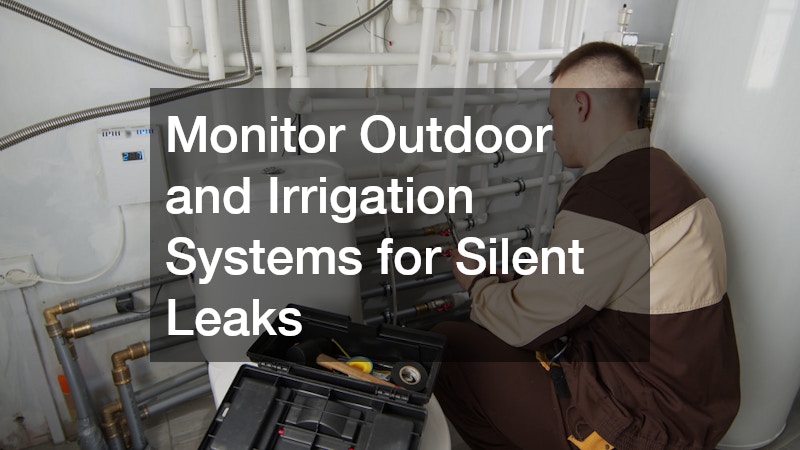
Outdoor plumbing systems often go unnoticed until a large water bill arrives. Sprinkler systems, hose connections, and irrigation lines are particularly vulnerable to leaks because they are exposed to weather conditions and physical damage.
Smart irrigation controllers monitor outdoor water usage and detect abnormal patterns. If water continues flowing longer than scheduled or pressure drops in irrigation lines, the system sends a notification to the homeowner.
When leaks occur outdoors, homeowners frequently rely on local plumbers to locate and repair damaged pipes or sprinkler components. Early alerts make these repairs much easier because the damage is limited to a smaller area. These features help homeowners conserve water while protecting landscaping and property foundations. Undetected irrigation leaks can saturate soil, damage plant roots, and even cause foundation problems near the home.
Smart monitoring allows homeowners to adjust watering schedules, detect equipment failures, and maintain outdoor plumbing systems more efficiently.
Use Smart Sensors to Protect Septic Systems from Overflows
Homes with septic systems face additional challenges when it comes to monitoring wastewater levels. Unlike municipal sewer systems, septic tanks have limited capacity and require periodic maintenance to prevent overflow or failure.
Smart septic sensors measure waste levels inside the tank and send alerts when capacity begins to approach critical levels. This technology allows homeowners to schedule septic pumping before the system becomes overloaded.
Early warnings are particularly important because septic issues can quickly escalate. If waste levels rise too high, sewage may back up into household drains or overflow into the yard. By monitoring these factors, homeowners can maintain their septic systems more effectively and avoid costly emergencies.
Routine maintenance combined with smart monitoring helps ensure the septic system operates smoothly for many years. Preventative alerts allow homeowners to address issues before environmental contamination or property damage occurs.
Detect Contamination Risks in Your Water System Early
Water safety is another area where smart plumbing technology can make a significant difference. One potential hazard in plumbing systems is backflow, which occurs when contaminated water flows backward into the clean water supply.
Smart monitoring systems track pressure differences between water supply lines to detect conditions that could cause backflow. If the system detects irregular pressure or reverse flow, it immediately sends an alert.
Regular back flow testing is an important safety measure in many homes and businesses. Smart devices help monitor these systems continuously rather than relying solely on periodic inspections. These systems help protect drinking water from contamination caused by irrigation systems, industrial equipment, or other external sources.
Maintaining a safe water supply is essential for protecting household health. Smart monitoring technology adds a layer of security by continuously watching for conditions that could allow contaminants to enter the plumbing system.
Use Data From Smart Devices to Schedule Preventive Maintenance
One of the biggest advantages of smart plumbing technology is the data it collects. Over time, monitoring systems build detailed records of water usage, pressure levels, and system performance. This information can be used to schedule preventive maintenance before serious issues occur.
For example, smart monitoring may detect patterns that indicate developing problems in wastewater systems. These insights can alert homeowners to potential septic repair needs before the system fails. Using this data-driven approach allows homeowners to move away from reactive repairs. Instead of fixing problems after damage occurs, they can address issues proactively.
By combining smart devices with regular maintenance planning, homeowners create a more reliable and efficient plumbing system that is far less likely to suffer unexpected failures. Smart plumbing technology is transforming the way homeowners manage water systems. Instead of relying on visible damage or sudden failures, modern monitoring devices detect subtle changes that indicate a leak may be developing. These systems analyze water flow, pressure, and moisture levels to identify problems that would otherwise remain hidden for weeks or months.