
Renovating your home on a budget can feel like a balancing act. You want meaningful improvements without draining your savings, but the pressure to cut costs often leads to decisions that seem smart in the moment—and expensive later. Many homeowners learn this the hard way: what starts as a “budget-friendly” upgrade can quickly spiral into repairs, rework, and stress.
It’s also easy to underestimate how interconnected different parts of your home really are. A decision made in one room can affect systems throughout the house. For instance, replacing flooring without checking for moisture issues underneath can lead to damage that spreads well beyond the original project area. These ripple effects are where costs quietly multiply.
The truth is, saving money during a renovation isn’t just about spending less upfront. It’s about making decisions that hold up over time. The following sections break down the most common mistakes that end up costing more later—and how to avoid them with practical, real-world strategies.
Planning Thoroughly Before Starting Any Renovation Work
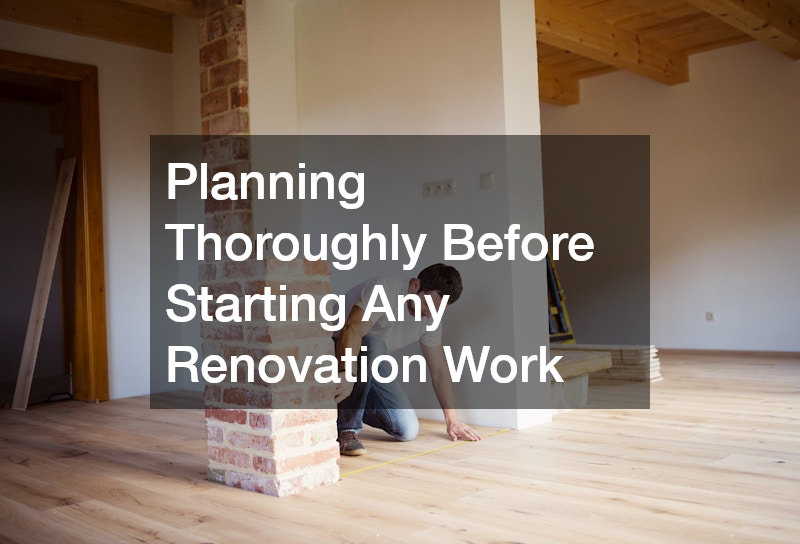
One of the most expensive mistakes homeowners make is starting before they’re truly ready. It’s easy to get excited about new floors or a kitchen upgrade, but without a clear plan, even small projects can snowball into chaos.
Consider a homeowner who begins renovating their basement without realizing the ground needs leveling. Midway through, they discover that additional excavating is required. Suddenly, the budget doubles, timelines stretch, and the entire project stalls. What could have been identified early becomes an emergency fix.
Planning isn’t just about design—it’s about logistics, sequencing, and anticipating disruptions. For example, if your kitchen will be unusable for weeks, you may need to factor in temporary living adjustments or even moving into a short-term rental. These indirect costs often catch people off guard.
Another common oversight is failing to coordinate trades properly. If electrical work is scheduled before structural adjustments are complete, you may end up paying twice for the same area to be opened and closed again.
To avoid these pitfalls:
- Map out every phase of the renovation before work begins
- Identify dependencies (what must happen before something else can start)
- Build in time and cost buffers for unexpected developments
- Create a simple written scope so everyone involved understands the plan
A thoughtful plan doesn’t eliminate surprises entirely, but it dramatically reduces their impact and keeps your budget from drifting out of control.
Addressing Structural Problems Before Cosmetic Upgrades
There’s a natural temptation to focus on visible improvements first. Fresh paint, new cabinets, or updated flooring can transform a space quickly. But if there are underlying structural issues, those upgrades may not last.
Imagine installing brand-new tile in a bathroom, only to notice cracks forming months later because the subfloor wasn’t stable. In many cases, the root cause traces back to deeper concerns that should have been addressed earlier.
Foundation repair is one of those areas homeowners often delay because it’s not immediately visible. However, ignoring it can lead to uneven floors, cracked walls, and doors that won’t close properly. These issues tend to worsen gradually, making them more expensive and invasive to fix later.
There’s also a psychological factor at play—structural work doesn’t offer the instant gratification that cosmetic upgrades do. But skipping it is like building on a weak base.
A smarter approach is to start from the ground up—literally. Before investing in finishes:
- Schedule a professional inspection of your home’s structure
- Look for warning signs like cracks, moisture, or shifting surfaces
- Allocate part of your budget specifically for structural fixes
- Reassess your renovation priorities if major issues are discovered
It may not be the most exciting part of renovation, but it’s one of the most important.
Selecting Contractors Based on Value Rather Than Price
Hiring the cheapest contractor can feel like a win—until the work needs to be redone. Poor installation, missed details, and subpar materials often lead to costly repairs down the line.
Take plumbing, for example. A poorly installed pipe might not show immediate problems, but months later, a hidden leak can cause water damage that requires tearing out walls or flooring. The same applies to HVAC systems; improper installation can reduce efficiency, increase energy bills, and shorten the system’s lifespan.
Reliable plumbers and professionals who handle air conditioning services bring more than just tools—they bring experience, accountability, and long-term reliability. They also tend to anticipate problems before they happen, which is where real savings occur.
It’s worth noting that communication is just as important as technical skill. A contractor who clearly explains timelines, costs, and potential challenges can help you avoid misunderstandings that lead to unexpected expenses.
When evaluating contractors, shift your mindset from cost to value:
- Review past work and client feedback
- Ask detailed questions about their process
- Ensure they are licensed and insured
- Request written estimates that break down labor and materials
A slightly higher upfront investment often saves thousands in corrections later.
Maintaining Outdoor Areas That Influence Interior Conditions

Renovations don’t stop at your front door. The condition of your yard and surrounding landscape plays a significant role in protecting your home.
Overgrown trees, for instance, can create serious problems. Branches brushing against your roof can cause damage over time, while roots may interfere with underground systems. In one common scenario, a homeowner completes a roof renovation only to face repairs months later because nearby branches were never addressed.
Regular tree service and strategic tree trimming can prevent these issues before they start. It’s not just about aesthetics—it’s about safeguarding your investment.
Outdoor neglect can also lead to moisture issues. Poorly maintained landscaping may direct water toward your home instead of away from it, increasing the risk of leaks or foundation damage.
Think of your outdoor space as part of the renovation ecosystem. Before or during your project:
- Inspect trees close to the house for potential risks
- Trim branches that could damage structures
- Address root systems that may impact foundations or pipes
- Ensure proper grading to direct water away from your home
Ignoring the outside can quietly undo the work you’ve done inside.
Investigating Plumbing Systems Before Major Renovations
Few things disrupt a renovation like discovering a major plumbing issue mid-project. It’s messy, expensive, and often unavoidable once uncovered.
Picture remodeling a bathroom, only to find that the sewer line is deteriorating. Suddenly, the project expands beyond new fixtures to include digging, repairs, and significant delays. Sewer repair is rarely cheap, especially when it’s reactive rather than planned.
The challenge is that many plumbing problems remain hidden until work begins. That’s why proactive evaluation is essential.
Even small warning signs—like slow drainage or occasional odors—can indicate larger issues beneath the surface. Ignoring them may seem harmless at first, but they often point to problems that will eventually require attention.
Before starting renovations that involve water systems:
- Conduct a thorough inspection of pipes and drainage
- Look for signs like slow drains, odors, or water pressure issues
- Consult experienced plumbers to assess long-term reliability
- Consider upgrading aging systems while access is easy
Addressing these concerns early may increase your initial budget, but it prevents far more disruptive and expensive surprises later.
Investing in Materials That Deliver Long-Term Durability
When budgets are tight, materials often become the first place homeowners cut costs. While it’s possible to find affordable options, consistently choosing the cheapest materials can lead to faster wear and frequent replacements.
Details like moulding might seem minor, but they contribute significantly to both appearance and durability. Low-quality finishes can warp, crack, or discolor over time, requiring additional work to fix or replace.
It’s helpful to think in terms of lifecycle cost rather than purchase price. A material that lasts twice as long but costs slightly more upfront is often the better deal.
A more effective strategy is selective investment. Not everything needs to be high-end, but certain areas deserve extra attention—especially those exposed to daily use.
Consider:
- Spending more on high-traffic surfaces like flooring
- Choosing durable finishes for areas prone to moisture
- Balancing cost and longevity rather than focusing solely on price
- Mixing premium and budget materials strategically
Quality materials don’t just look better—they last longer, reducing the need for repeat spending.
Upgrading Systems to Improve Efficiency and Comfort

Energy efficiency is often overlooked during renovations, yet it has a direct impact on long-term costs. An outdated system may still function, but it could be quietly draining your wallet through higher utility bills.
Renovation is the perfect time to evaluate these systems. Walls may already be open, access is easier, and upgrades can be integrated seamlessly.
Homeowners who skip this step often regret it later. Once everything is finished, revisiting these systems becomes more complicated and expensive.
Beyond cost savings, efficiency upgrades can improve daily comfort. A properly functioning system maintains consistent temperatures and reduces strain on equipment.
To make the most of your renovation:
- Assess the performance of your current HVAC setup
- Schedule inspections with professionals who provide air conditioning services
- Consider energy-efficient upgrades that reduce ongoing expenses
- Look into insulation improvements alongside system upgrades
Improving efficiency isn’t just about saving money—it’s about creating a more comfortable and sustainable living environment.
Preparing the Property Properly Before Construction Begins
Preparation is one of the least visible yet most critical stages of renovation. Skipping it can lead to uneven results, drainage problems, and structural complications.
For example, improper grading around a home can cause water to pool near the foundation. Over time, this can lead to damage that requires extensive repairs. Similarly, neglecting tree care can result in roots interfering with construction or future stability.
Excavating, when done correctly, ensures that the groundwork supports everything built on top of it. When rushed or overlooked, it creates problems that surface months or years later.
Preparation also includes clearing access for workers and materials. Tight or cluttered spaces can slow progress and increase labor costs.
Before construction begins, take time to:
- Evaluate drainage and soil conditions
- Address landscaping elements that could interfere with the build
- Ensure all groundwork is stable and properly executed
- Create safe and efficient access points for crews
A well-prepared site sets the stage for a successful renovation.
Recognizing When Professional Help Is Essential
DIY projects can be rewarding and cost-effective—when done within the right scope. Painting a room or installing simple fixtures can save money, but tackling complex systems without experience often leads to costly mistakes.
Structural work and underground systems are particularly risky. Attempting foundation repair without proper knowledge can worsen the problem, while mishandling sewer repair can create health hazards and extensive damage.
There’s also the issue of time. What might take a professional a day could take a homeowner weeks, especially if unexpected challenges arise. That extended timeline can disrupt your entire renovation schedule.
It’s not about avoiding DIY altogether—it’s about knowing your limits.
Ask yourself:
- Does this project involve safety risks or specialized knowledge?
- Would a mistake require expensive repairs?
- Do I have the tools and experience to do this correctly?
- Am I prepared for the time commitment involved?
If the answer raises doubt, bringing in a professional is usually the smarter financial decision.
Setting Aside Funds for Unexpected Renovation Expenses

No matter how well you plan, renovations rarely go exactly as expected. Materials may be delayed, hidden issues may emerge, and timelines can shift.
One overlooked aspect is the cost of disruption. If your home becomes temporarily unlivable, you may need to arrange alternative accommodations or handle partial moving logistics. These costs add up quickly if they’re not anticipated.
Unexpected expenses aren’t always dramatic. Sometimes they’re small additions—extra materials, minor fixes, or extended labor—that gradually push the budget higher.
A contingency fund acts as a safety net, allowing you to adapt without derailing the entire project.
A practical approach includes:
- Setting aside 10–20% of your total budget for unforeseen costs
- Tracking expenses closely as the project progresses
- Preparing for temporary adjustments to your living situation
- Revisiting your budget regularly to stay aligned with goals
Flexibility is one of the most valuable assets during a renovation.
Building a Renovation Strategy That Stands the Test of Time
Budget renovations don’t have to lead to regret. The key is understanding where it’s safe to save and where it’s essential to invest. By focusing on planning, prioritizing structural integrity, and making informed decisions, you can avoid the common traps that turn small savings into large expenses.
A thoughtful renovation approach also means thinking beyond the immediate project. Consider how your choices today will affect maintenance, energy use, and future upgrades. Homes evolve over time, and decisions made now can either support or complicate that evolution.
Ultimately, the goal isn’t just to complete a renovation—it’s to create a space that remains functional, efficient, and durable for years to come.