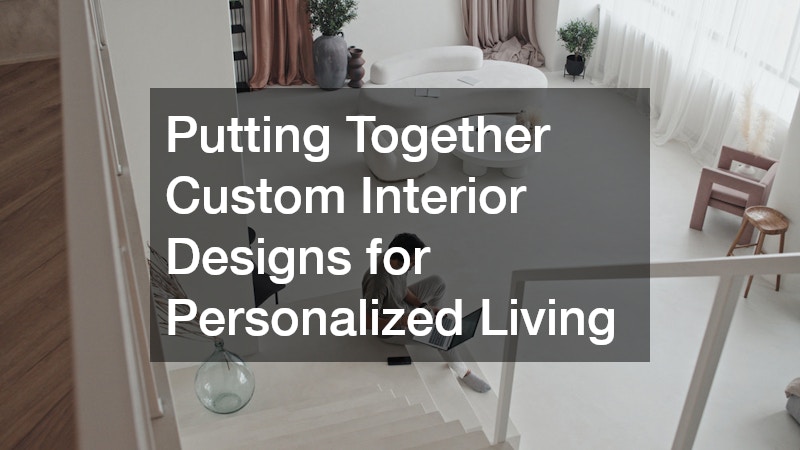

A house only truly transforms into a home when it encompasses the unique narrative of the individuals residing within its walls. Standard builder-grade interiors, often characterized by their monotonous and uninspired designs, struggle to encapsulate that personal essence. They typically feature cookie-cutter layouts and mass-produced finishes, meeting only the broadest averages of taste and functionality rather than catering to specific lifestyles. However, venturing into the realm of personalization presents an exciting opportunity for homeowners to discard these generic impressions and breathe new life into their living spaces. By initiating a shift towards bespoke design elements, individuals can express their individuality and craft an environment that resonates on a personal level.
Engaging in true customization transcends the mere notion of luxury. Rather, it embodies an exercise in both intentionality and practicality, fused seamlessly with aesthetic harmony. When you mold an environment to align with your exact physical habits, stylistic inclinations, and the spatial intricacies of your home, you create a fluid synergy between the architectural structure and your day-to-day routines. This approach empowers every corner of your residence to serve a definitive function, optimizing the use of available space while simultaneously establishing a profoundly evocative sanctuary that mirrors your inner world. However, delving into this intricate process of personalization requires a well-devised strategic roadmap. Without a clear and structured approach, the confluence of varied textures, structural innovations, and the employment of specialized trades can swiftly spiral into visual discord or result in costly logistical missteps.
Setting the Tone from the Ground Up
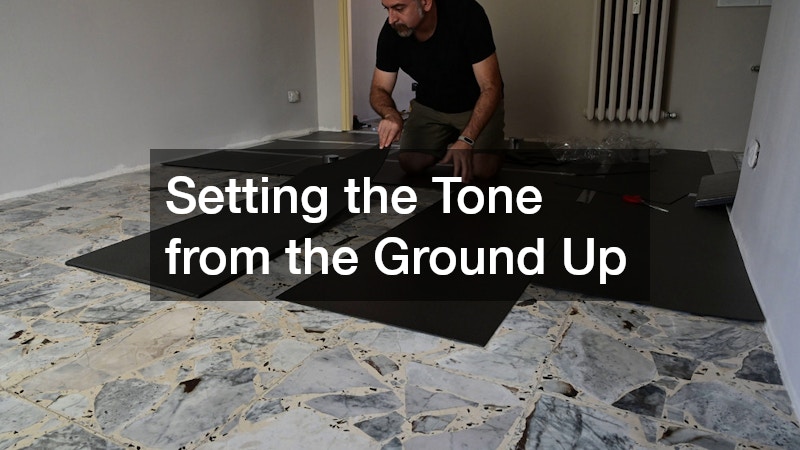
Every successful design journey must begin with the elements that ground a space physically and visually. The surfaces beneath your feet and the expansive planes of your walls constitute the largest visual surface area in any room. Consequently, they establish the baseline atmospheric tone, light reflectivity, and textural continuity for the entire home. Approaching these structural envelopes with a cohesive long-term strategy prevents the common mistake of treating individual rooms like isolated design experiments.
To avoid a jarring transition between different living zones, implement a deliberate material and color language that connects rooms seamlessly. Designers frequently rely on structured guidelines to maintain this delicate balance across open-concept layouts or traditional floor plans:
- The 60-30-10 Rule: Allocate sixty percent of a visual plane to a dominant background hue or texture, thirty percent to a secondary material or contrasting color, and ten percent to striking accent details.
- Textural Bridging: Carry a specific material note—such as a particular wood grain style or metallic finish—across adjacent rooms to create an intuitive subconscious bridge for the eye.
- Chromatic Progression: Ensure that wall colors transition gradually. If a main living space features a soft, muted tone, consider deepening that exact same tint by two shades in an adjoining study to create intimate depth without a shocking stylistic shift.
Invest in Lifetime Surfaces
When customizing your layout, look beyond fleeting aesthetic fads and prioritize foundational elements that naturally grow more beautiful with age. Selecting premium hardwood flooring provides an incomparable organic warmth, a timeless architectural foundation, and an exceptional return on investment due to its ability to be sanded and refinished across generations. To protect this foundational investment, avoid trendy ultra-distressed or overly saturated stains; instead, opt for natural, clear coats or neutral, mid-toned European oaks that effortlessly accommodate changing furniture trends over the years.
Simultaneously, the execution of your vertical planes demands immaculate precision. Hiring a professional painting company ensures that surface preparation, skim coating, and crisp edge-cutting eliminate the minor imperfections that can instantly detract from high-end custom features. A premium, ultra-matte or soft eggshell finish applied to impeccably prepped walls acts as a pristine canvas, scattering light beautifully and highlighting the architectural contours of your bespoke moldings and built-in elements.
Maximizing Light, Structure, and View
Once your primary surfaces are established, focus shifts toward framing the environmental factors that animate your home: light and shadow. The way daylight enters a home profoundly impacts how paint colors shift from sunrise to dusk, how spacious a small floor plan feels, and how comfortably occupants interact with their environment. Manipulating these natural features through structural updates and elegant fabric layers adds instant architectural depth and drama.
Before introducing decorative details, evaluate the performance and physical placement of your home’s apertures. Outdated, chunky frames or poorly insulated glazing can severely restrict light transmission and distort outside views. Committing to strategically placed window replacements allows you to completely re-engineer the architectural profile of a room. For modern custom homes, ultra-slim black aluminum or steel frames can turn an ordinary backyard view into a stunning, living work of art. When updating these elements, match the interior window profile to your home’s broader millwork, ensuring consistency while upgrading thermal efficiency and sound dampening.
Layer Soft Textures for Scale and Height

To balance the rigid, hard lines of newly installed architectural frames, introduce textiles that introduce fluid movement and scale to the room. Integrating high-quality window draperies allows you to visually trick the eye and dramatically alter the perceived dimensions of a space. Follow these professional hanging protocols to maximize this optical effect:
- Hang High and Wide: Mount drapery hardware directly below the ceiling line or crown molding rather than immediately above the window frame. Extend the rod past the window width by twelve to eighteen inches on each side. This creates the illusion of soaring ceilings and ensures that open panels never block incoming light.
- Prioritize Tailored Pleats: Avoid generic pocket headers. Instead, specify structured pinch pleats, Euro pleats, or inverted box pleats to establish formal, clean vertical lines that draw the eye upward.
- Select Weighty Weights: Utilize heavy linen blends, tightly woven wools, or rich velvets paired with high-density blackout linings. This combination ensures the fabric puddles with intentional weight, blocks unwanted glare, and controls heat exchange effectively.
The Culinary Core
Often celebrated as the heart of the home, the kitchen is a highly complex space where intense daily utility intersects directly with social hosting. Customizing a kitchen requires moving far beyond generic cabinet sizes and stock layouts. It demands a hyper-specific analysis of how you move through space during meal preparation, how you organize your culinary tools, and how you interact with guests while multi-tasking.
Modern kitchen design has moved past the restrictive constraints of the traditional work triangle, replacing it with highly specialized, intuitive functional zones. Map your kitchen according to distinct daily tasks:
- The Baking and Prep Zone: Design an expansive, uninterrupted stretch of surface near your primary water source, complete with pull-out spice racks, integrated pop-up mixer lifts, and deep drawers for heavy mixing bowls.
- The Morning Beverage Station: Dedicate an enclosed nook specifically for espresso machines, mugs, and tea selections, keeping early-morning traffic completely clear of the main cooking area.
- Customized Hidden Storage: Partnering with an expert custom cabinet company allows you to design specialized storage solutions for your exact inventory. Instead of squeezing awkward items into standard boxes, you can incorporate vertical tray dividers, heavy-duty blind-corner pull-outs, and custom-sized drawer inserts for cutlery and dry goods.
Integrate High-Performance Mechanics and Materials
A luxury kitchen must perform flawlessly under pressure. Every mechanized component should feel heavy, responsive, and robust. Selecting a premium kitchen appliance package that integrates seamlessly with your cabinetry ensures exceptional temperature precision, rapid cooking times, and incredibly quiet operation. To achieve a high-end, uncluttered look, choose panel-ready refrigerators and dishwashers that hide behind matching woodwork, leaving only your statement range or custom ventilation hood to serve as the visual focal points of the room.
Elevating Everyday Surfaces
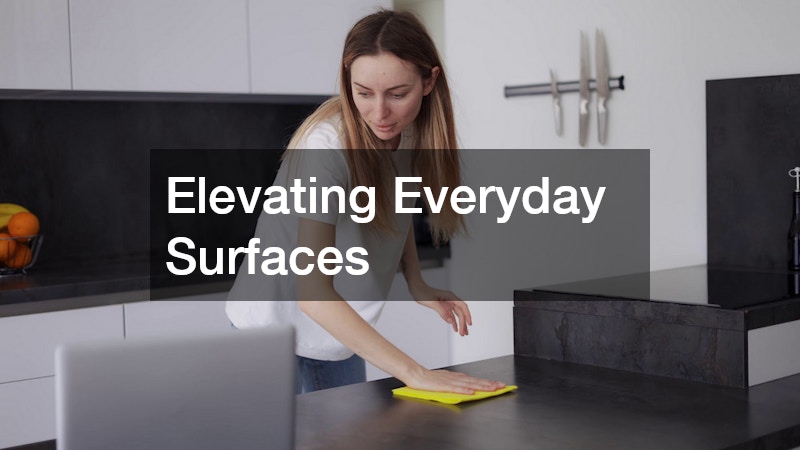
With layouts defined and structural elements in place, your choice of finishing materials provides an excellent opportunity to inject tactile luxury into your custom home. Surfaces that receive constant physical contact—such as countertops, island faces, and key furniture pieces—should be selected for their exceptional durability as well as their unique, eye-catching visual character.
The choice between natural stone and engineered composites should always align with your household’s actual daily lifestyle. Working with professional countertop services allows you to explore unique stone slabs and advanced edge details that elevate utilitarian surfaces into breathtaking art installations:
- Natural Quartzite: Offers the exquisite, sweeping veining of traditional marble but boasts significantly higher resistance to scratching and acid etching, making it an ideal choice for busy, high-traffic kitchens.
- Engineered Quartz: Provides a non-porous surface that requires zero sealing, providing ultimate stain resistance and a crisp, uniform appearance perfect for sleek, modern designs.
- Bespoke Detailing: Request advanced edge treatments, such as a double-mitered waterfall edge that cascades gracefully to the floor, or a book-matched backsplash where the stone’s natural veining mirrors itself perfectly across the wall.
Scale Statement Pieces to the Room’s Proportions
A beautifully customized interior requires furnishings that match the unique proportions of your home’s architecture. Off-the-shelf dining tables or standard sofas often fall short, appearing awkwardly dwarfed in expansive, high-ceilinged rooms or overwhelming smaller, more intimate spaces. Commissioning custom furniture ensures that every item is built to the exact inch, matching the flow of foot traffic and complementing the home’s built-in millwork. Whether it is a dining table crafted from a single slab of reclaimed walnut or a deep sectional sofa tailored to your exact seating preferences, these tailored pieces anchor a room’s layout, providing unparalleled comfort and timeless style.
Designing a Private Oasis
The modern bathroom has evolved from a purely functional space into a private, restorative wellness sanctuary. Customizing a bathroom requires looking past generic porcelain fixtures and standard fiberglass shower inserts. Instead, prioritize creating a calming, clutter-free environment that promotes relaxation, showcases exquisite tile craftsmanship, and maximizes the use of natural light.
To achieve a high-end spa aesthetic, focus heavily on creating clean lines, smart plumbing placement, and effortless transitions across the room. Consider incorporating these elements during a comprehensive bathroom remodeling project:
- Wall-Hung Fixtures: Specifying floating vanities and wall-mounted toilets keeps your floor completely clear, maximizing the visible square footage and creating an airy, unencumbered feel.
- Zero-Threshold Wet Rooms: Eliminate traditional shower curbs in favor of a continuous, sloping floor that runs seamlessly into a linear drain system. This curbless approach expands the room visually and ensures effortless accessibility.
- Concealed Niches and Plumbing: Work with your contractor to build recessed storage niches directly into framing walls, keeping shampoo bottles hidden from direct view. Position shower controls near the entry of the enclosure so you can easily turn on the water without getting wet.
Use Transparent Elements to Expand Small Footprints

Traditional, opaque shower curtains or thick, framed shower enclosures can abruptly slice a bathroom in half, creating a dark, cramped environment. Installing a custom glass shower door instantly opens up the room, allowing natural light to flow freely and putting your beautiful tilework on full display. Opt for heavy, thick frameless tempered glass paired with minimal, solid brass hardware. This eliminates visual clutter, prevents water leakage, and adds a clean, architectural finish that elevates the entire bathroom experience.
Embarking on a custom interior design journey is akin to setting off on an artistic marathon. It’s a comprehensive and multifaceted endeavor that requires not only your patience but also an unwavering dedication to clear, open communication and an unyielding commitment to exceptional craftsmanship. This is not a sprint to simply decorate a space; rather, it is a thoughtful and deliberate process that asks you to pause, reflect, and deeply analyze how you live your life within the walls of your home. You are tasked with making intentional choices that seamlessly harmonize with the architecture of your dwelling. By diligently layering high-quality foundational surfaces, thoughtfully framing natural light to accentuate the beauty of each room, judiciously maximizing storage to enhance functionality, and investing in timeless materials that are tailor-made to suit your needs, you can avoid the transient allure of fleeting trends. This dedication facilitates the creation of an enduring space that is not only visually stunning but is also impeccably tailored to enhance and support your unique lifestyle.
The true value of crafting a custom home resides in its innate ability to support and elevate the everyday rituals that define your life. It provides a nurturing and inspiring environment where everything feels intuitive and effortlessly beautiful while being completely personalized to reflect your identity. Trust in the accrued wisdom and precision of dedicated tradespeople who bring expertise and passion to their craft. Commit to maintaining a cohesive design language throughout your home, ensuring that each element resonates with your personal narrative. Take your time in selecting pieces and materials that genuinely speak to your story and aesthetic preferences. The culmination of this careful and considered process is a home that not only dazzles with its visual appeal in photographs but also resonates deeply, feeling like a true and authentic extension of who you are.