
In the diverse world of residential construction, understanding the components of a roof is paramount. Roofs are not mere coverings; they are an intricate system that protects a structure from the elements, contributes to energy efficiency, and even defines aesthetic appeal. Homeowners and builders alike benefit significantly from knowing what comprises a roof, giving them the insights needed to make informed choices.
The roof of a house offers more than just protection from rain and snow; it influences energy costs and the structural integrity of the home. For this reason, knowing about roof components is not only beneficial but necessary for making informed decisions regarding renovations, roof replacements, or construction from the ground up.
This article delves into the myriad of components that residential roofers use, offering homeowners a complete guide to understanding their roof.
From the types of primary materials to the nuanced roles of underlayment and flashing, each element has a specific part to play in forming a cohesive and efficient system. Navigating the world of roofing materials can be daunting without a clear understanding of these components and how they interact. This exploration will aid in demystifying the components and processes that define residential roofing projects.
1. What are the primary materials used in residential roofing?
The type of material used for a residential roof is pivotal in determining its longevity, weight, and appearance. The most common materials for roofs include asphalt shingles, metal, wood shakes, and tiles—each offering its unique advantages and challenges. Asphalt shingles remain the most popular due to their cost-effectiveness and relatively easy installation process.
Metal roofing, gaining popularity for its durability, offers a long lifespan and is excellent for areas with extreme weather. However, the upfront costs can be higher than traditional materials. Wood shakes, while visually appealing and effective for certain styles, require more maintenance due to their susceptibility to mold and rot.
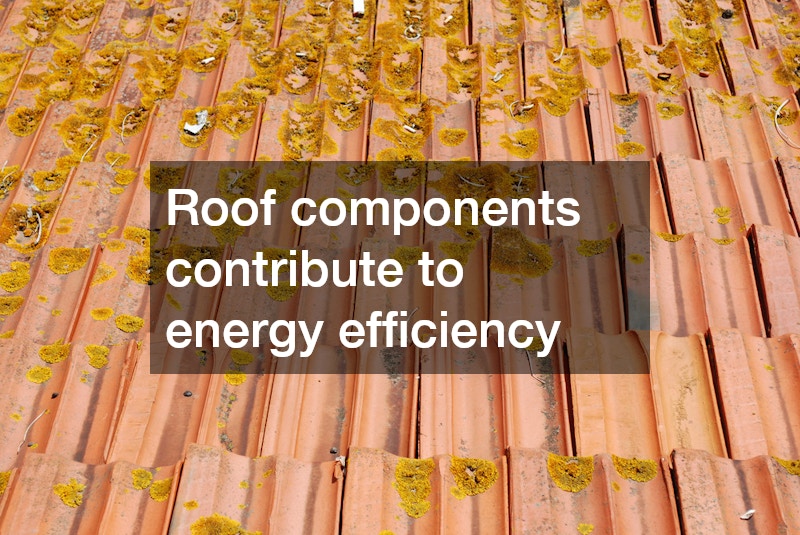
Tile roofing, often seen in areas with more traditional architectural styles, provides excellent fire resistance and can last a lifetime. Slate is another high-end option boasting durability and a classic appearance. Each material plays a significant role based on the specific needs of a household and the architectural style of a home.
2. How do roof components contribute to energy efficiency?
Roofs significantly impact a home’s energy efficiency, influencing both heating and cooling mechanisms. Insulation plays a crucial role, as it helps in maintaining indoor temperatures by preventing heat transfer from the outside. A well-insulated roof keeps homes warmer in the winter and cooler in the summer.
The color of the roofing material can also contribute to energy efficiency. Lighter colors tend to reflect more sunlight, reducing heat absorption and, consequently, cooling costs. Moreover, the roof’s shape and ventilation systems can help regulate air and moisture, affecting utility bills positively.
Cool roofs, designed with reflective materials, are increasingly popular for their ability to lower temperatures and improve indoor comfort. These roofs can significantly reduce urban heat islands and contribute to sustainable building practices. Understanding the materials and components that enhance energy efficiency can transform an average roof into an eco-friendly one.
3. What underlayment choices do roofers have?
Underlayment is a critical component that protects the roof deck from water and wind. There are primarily three types: asphalt-saturated felt, rubberized asphalt, and non-bitumen synthetic underlayment. Each type offers different levels of protection, durability, and cost.
Asphalt-saturated felt is traditional and still used in many applications despite newer materials being available. It provides good protection against water, but may not last as long as synthetic options. Rubberized asphalt, on the other hand, offers enhanced water resistance, making it an excellent choice for areas prone to heavy rains.
Synthetic underlayment is a modern innovation, offering superior tear resistance, longevity, and lighter weight compared to traditional felts. Roofers often prefer synthetic materials for their ease of installation and reliable protection. Choosing the right underlayment is crucial for ensuring the roof’s durability and effectiveness.
4. How is flashing used to prevent leaks?
Flashing is a vital component in preventing roof leaks, particularly around intersections and protrusions such as chimneys, vents, and skylights. It acts as a barrier, redirecting water to prevent it from penetrating the joint or seam of the roof. Proper installation is critical since improper flashing placement is a leading cause of leaks.
Flashing materials commonly used include aluminum, copper, and galvanized steel, each selected based on the specific requirements of the location and budget constraints. Aluminum is lightweight and rust-resistant, making it suitable for most situations. Copper flashing, while more expensive, offers superior durability and aesthetic appeal.
The installation process of flashing requires precision to ensure maximum water diversion and minimal likelihood of failure. Overlapping layers, appropriate sealing with caulks, and secure attachment are some of the techniques employed. Thorough understanding and application of these elements protect a roof from leaks and water damage.
5. What should homeowners know about roof vents?
Roof ventilation is a critical component of a completely functional roofing system, facilitating air circulation to prevent moisture build-up and extend the roof’s life. There are various vent types, including ridge vents, soffit vents, and turbine vents, each serving different functions and preferences. Properly installed vent systems help in expelling hot and humid air, preventing condensation-related issues.
The benefits of roof vents extend to maintaining a more energy-efficient home environment. By regulating the attic temperatures, vents contribute to lower energy bills and reduced strain on heating and air conditioning systems. Climates that experience significant temperature fluctuations benefit greatly from efficient venting systems.
For homeowners, understanding the kind of ventilation that suits their home is important. Factors such as climate, the layout of the attic, and roof design play into this decision. Professional consultation can ensure an optimized vent system, safeguarding both the roof and comfort of the inhabitants.
Comprehending the various components of residential roofing—from materials to underlayment, flashing, and vents—can profoundly impact the selection and maintenance of this essential structure. Whether a new build or renovation, informed choices ensure the longevity, efficiency, and aesthetic value of a roof. The intricacies of each component underscore the complexity and craftsmanship involved in roofing, reinforcing the notion that it’s more than just a covering.
For homeowners, staying informed not only empowers decisions responding to immediate needs but also provides a long-term strategy for property investment. Roofers, armed with comprehensive product knowledge, uphold the integrity and resiliency of their roofs in all weather conditions. These collaborative efforts between homeowner education and professional expertise contribute to the ongoing evolution in residential roofing standards.
The recommendations for homeowners are clear: engage with knowledgeable professionals, prioritize energy-efficient components, and invest in quality materials for longevity. Roofing, after all, represents a significant investment that protects every aspect beneath it. With a focused approach to understanding its intricate elements, a well-crafted and enduring roof is attainable for every homeowner.