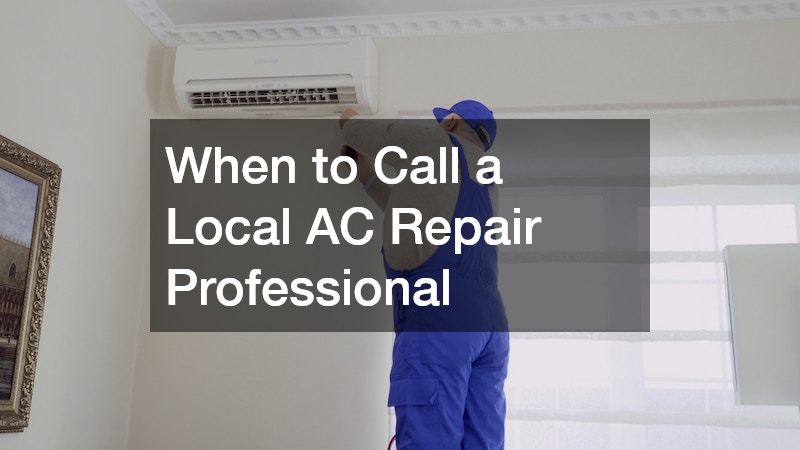

Understanding when to bring in a professional for your air conditioning repair can save you time, money, and discomfort. This article guides you through the key scenarios when it is prudent to contact an AC repair specialist and what you can expect during the service.
1. How do I know if my AC needs repair?
A. Common Symptoms of a Faulty AC Unit
Recognizing unusual noises, leaks, or inefficient cooling are some telltale signs that your AC unit may require professional attention. Noisy operation can indicate loose parts or worn-out components, which a professional can identify and rectify.
Leaks from an AC unit, often caused by a faulty drainage pipe or frozen coils, should not be left unchecked as they can lead to water damage. Inefficient cooling, where the unit fails to maintain the desired temperature, often suggests a refrigerant issue or sensor problem. Addressing these symptoms early can prevent more significant damage and higher repair costs down the road.
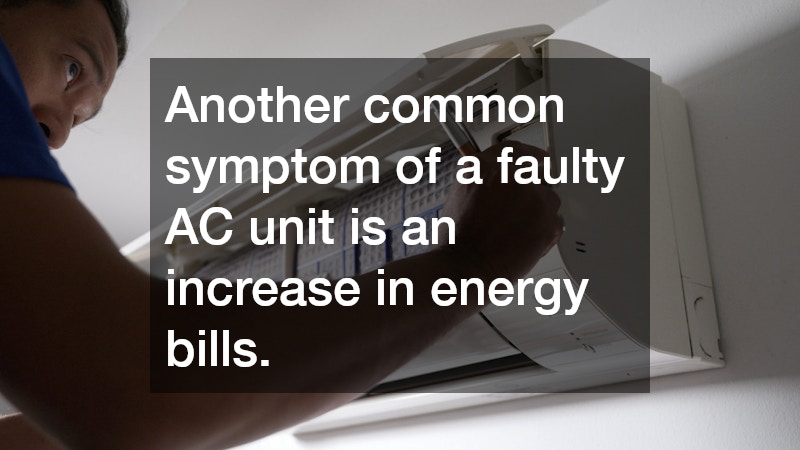
Another common symptom of a faulty AC unit is an increase in energy bills. If you’re noticing that your energy consumption is rising without an increase in use, it could be due to your AC system working harder to maintain cooling. Electrical faults, often manifested through frequent cycling on and off, can also suggest deeper mechanical issues. Additionally, if unpleasant odors are emanating from your unit, possible causes could include mold growth within the system, which should be addressed promptly to preserve air quality. Therefore, monitoring your AC unit for these signs is crucial for determining when to call a repair professional.
Moreover, the age of your AC unit plays a role in its efficiency; units older than ten years are more likely to develop frequent problems. Older units naturally lack the newer, more energy-efficient technologies, increasing the likelihood of breakdowns. Also, they tend to have parts that are more susceptible to wear and tear, demanding frequent expert attention. Consistent maintenance by professional AC repair services can extend the lifespan, but replacement should be considered if repairs become too frequent and costly. Understanding these symptoms can empower you as a homeowner to act promptly and protect your investment in comfort.
2. What should I consider before hiring an AC repair professional?
B. Evaluating Qualifications and Experience
Before inviting a technician into your home, it’s important to evaluate their credentials, experience, and customer reviews. First and foremost, verify their certifications and licensing to ensure that you are dealing with a qualified professional. A licensed technician adheres to local codes and regulations, ensuring that repairs are conducted safely and competently. Experience is equally crucial; longer years in service usually translate to a deeper understanding of various AC models and issues. When selecting a service, consider those who have a track record of successful repairs on units similar to yours.
Additionally, customer reviews provide insight into the technician’s reliability and customer service quality. Websites like Yelp or Google Reviews offer past customer experiences which highlight the satisfaction levels and efficiency of the service provided. Look for consistent positive feedback on attributes such as punctuality, cost-effectiveness, and professionalism. A trusted AC repair professional will have a network of satisfied clients ready to vouch for their services. Hence, invest time in research and seek recommendations from friends or family to ensure you make the right choice.
The estimates and warranties offered by the professional are also significant factors to consider. An upfront estimate provides transparency on costs, preventing any surprise charges later. Additionally, inquire about any warranty or service assurance that covers repair work, which not only promises quality service but also peace of mind. An AC repair professional who prioritizes customer satisfaction will stand by their work and offer such guarantees. As such, scrutinizing these aspects before hiring ensures you receive value and effective service in your AC repair needs.
3. Are there any maintenance tips to prevent frequent AC repairs?
C. Routine Maintenance and Best Practices
Regular maintenance can extend the life of your AC unit and minimize the need for repairs. One of the key practices is consistently changing or cleaning your AC filters every one to three months. Clogged filters hinder airflow and reduce significantly your system’s efficiency, forcing it to work harder. Keeping your outdoor unit free from debris such as leaves and grass ensures unobstructed airflow, crucial for the optimal performance of the system. Lastly, scheduling annual professional tune-ups to inspect and clean your system can pre-emptively identify and resolve issues before they escalate.
Proper insulation around your air ducts also plays a vital role in the longevity and efficiency of your AC unit. Ensuring that no air leaks are present helps maintain desired temperatures and reduces the load on your system. Additionally, using a programmable thermostat effectively can prevent unnecessary usage, conserving energy and limiting wear and tear. Overworking the unit, particularly during peak weather conditions, hastens the need for repairs and diminishes system life. Therefore, using these best practices can significantly reduce the frequency of repairs required.
Furthermore, educate yourself on the manufacturer’s guidelines for your specific AC model. Understanding and adhering to these recommendations can lead to improved performance and extended system life. Regularly checking for unusual changes or inconsistencies in performance can help you catch minor issues before they lead to expensive repairs. Partnering with a reputable AC repair professional for routine inspections can also ensure that even hidden issues are addressed promptly. By following these tips, you maintain your air conditioning system’s efficiency, ensuring comfort throughout the year.
Calling in a local AC repair professional at the right time can prevent small issues from becoming costly problems. By recognizing common symptoms, choosing the right technician, and following maintenance tips, you can ensure your air conditioning system remains in top shape year-round. The investment in these practices not only guarantees your comfort but also offers long-term savings. Proactive maintenance and repair safeguard both the efficiency and longevity of your AC unit. Make informed decisions and maintain a strong relationship with a trusted AC repair specialist to enjoy uninterrupted comfort.