
A smart renovation budget does not always begin with new cabinets, fresh paint, or trendy finishes. For many homeowners, the best place to start is with the parts of the home that quietly affect monthly bills: insulation, heating, cooling, water use, outdoor drainage, and aging systems that work harder than they should.
The tricky part is that utility waste often feels invisible. A room may seem comfortable enough, a faucet may only drip once in a while, and an older system may still turn on when needed. But small inefficiencies can add up over months and seasons. A home that loses heat in winter, uses too much water in summer, or relies on outdated equipment can cost far more than necessary.
Before choosing any project, review the last year of utility bills. Look for spikes during extreme weather, unexplained increases, or seasonal patterns. Then walk through the home with a practical question in mind: Where is money escaping? The answer can help you prioritize upgrades that improve comfort and reduce costs without wasting your budget on improvements that look good but do little.
Finding Hidden Leaks in the Home Envelope

The outer shell of your home has a direct effect on energy costs. When warm or cool air escapes through weak spots, your heating and cooling systems have to run longer to maintain the same indoor temperature. That means higher bills, uneven comfort, and more wear on expensive equipment.
Start in the attic, where energy loss is often easiest to spot. Look for compressed insulation, gaps around vents, or areas where daylight shows through. Around windows and doors, check for drafts by moving your hand slowly along the edges on a windy day. Even small gaps can make a noticeable difference.
Roof issues can also affect efficiency. Missing shingles, soft spots, or damaged flashing may allow moisture and outdoor air into areas that should stay protected. Timely roofing repair can help prevent insulation damage and indoor temperature swings. If you are unsure whether the problem is minor or widespread, professional roofing services can inspect the structure and recommend targeted fixes before a larger replacement becomes necessary.
A homeowner might ignore a small ceiling stain for months, assuming it is cosmetic. But if moisture reaches insulation, that area can stop performing properly. Suddenly, one room feels colder in winter and warmer in summer. Repairing the source early is usually far less expensive than fixing water damage and replacing ruined materials later.
Improving Heating Performance Before Cold Weather Arrives
Heating costs can climb quickly when equipment is dirty, poorly maintained, or struggling to keep up. Many homeowners only think about their heating system once it stops working, but waiting for a breakdown is rarely the cheapest approach.
A boiler, for example, can lose efficiency when components are not cleaned, pressure is incorrect, or parts are wearing down. Scheduling a boiler maintenance service before the cold season helps the system operate more smoothly and reduces the likelihood of emergency repairs during peak demand.
A practical heating tune-up should include more than a quick glance. Homeowners should ask about:
- System pressure and temperature settings
- Unusual noises or delayed heating
- Leaks, corrosion, or worn parts
- Thermostat accuracy
- Radiator or baseboard performance
There are also simple steps you can take between service visits. Keep furniture away from heat sources, bleed radiators if your system requires it, and avoid setting the thermostat dramatically higher to heat the house faster. That habit usually wastes energy without improving comfort.
The goal is not just to make the system work. It is to help it work efficiently. A well-maintained heating system can make the home feel steadier and more comfortable, especially during long stretches of cold weather.
Reducing Water Waste Without Sacrificing Comfort
Water-related upgrades can deliver savings in two ways: reducing water use and lowering the energy required to heat water. The most useful improvements are often modest, especially when they address daily habits and fixtures.
Start with faucets, showerheads, and toilets. Older fixtures may use far more water than newer high-efficiency models. A low-flow showerhead, for instance, can reduce water use without making the shower feel weak if you choose a quality model. The same applies to faucet aerators, which are inexpensive and easy to install.
Water purification can also be part of a budget-conscious renovation plan when it reduces reliance on bottled water or improves the performance of appliances. Hard or poor-quality water can contribute to mineral buildup in some systems, which may make them work less efficiently over time. Choosing the right filtration option depends on your water source, household needs, and maintenance budget.
One family may only need a point-of-use filter at the kitchen sink. Another may benefit from a whole-home system because mineral buildup is affecting fixtures and appliances throughout the house. The most important step is to test the water first instead of guessing. That way, you avoid overspending on a system that does more than you need.
Managing Outdoor Water Use More Intelligently
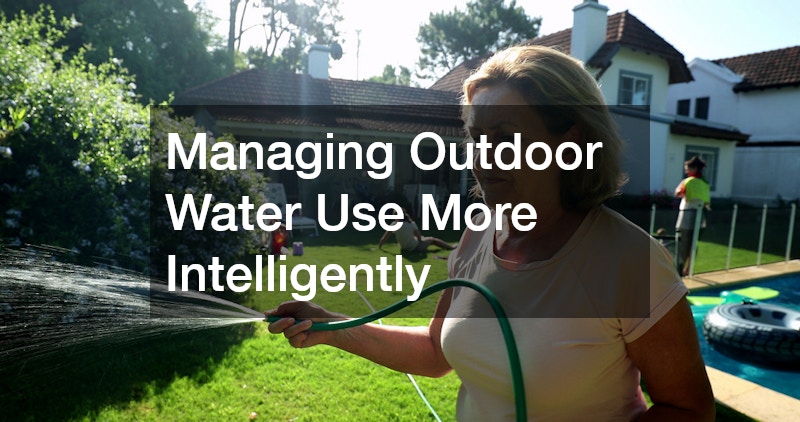
Outdoor water use can quietly become one of the biggest seasonal expenses, especially in warm or dry months. Lawns and landscaping often receive more water than they need because irrigation is set once and forgotten.
Sprinkler systems are useful when they are designed and adjusted properly, but they can waste a significant amount of water if heads are misaligned, zones overlap, or watering happens during the hottest part of the day. A system that sprays sidewalks, driveways, or the side of the house is not just inefficient; it may also contribute to drainage issues.
A better approach is to adjust irrigation by season. In spring, plants may need less water because temperatures are milder and rainfall is more frequent. In summer, deeper but less frequent watering often supports healthier roots than short daily watering. Smart controllers and rain sensors can also prevent unnecessary watering after storms.
Walk the property while the system runs. Look for puddling, runoff, misting, or dry patches. These clues show where water is being wasted or distributed unevenly. Small adjustments can lead to noticeable savings, and they help protect landscaping investments at the same time.
Preparing Cooling Systems Before Peak Heat
Air conditioning tends to get attention only when temperatures rise. By then, contractors are busy, parts may take longer to get, and a struggling system may already be driving up electricity bills.
Scheduling ac repair at the first sign of trouble can prevent larger problems. Warning signs include weak airflow, warm air from vents, short cycling, unusual sounds, and rooms that never seem to cool properly. Even if the system still runs, it may be using more electricity than necessary.
Homeowners can also improve cooling efficiency with basic upkeep. Replace filters regularly, keep outdoor units clear of leaves and debris, and make sure vents are open and unobstructed. If one room is consistently uncomfortable, the issue may not be the air conditioner itself. Poor insulation, duct leaks, or sun exposure may be forcing the system to compensate for a specific weak spot.
Think of cooling efficiency as a whole-home issue rather than a single-equipment issue. A tuned system will still struggle if cooled air leaks into the attic or if old windows allow heat to pour in during the afternoon. Combining maintenance with sealing and shading improvements often produces better results than focusing on the unit alone.
Protecting Outdoor Surfaces From Costly Damage
Some utility-saving renovations are indirect. They do not lower a bill the same month they are completed, but they prevent property conditions that lead to expensive repairs later. Outdoor surfaces are a good example.
An aging asphalt driveway with cracks, low spots, or poor drainage can send water toward the foundation, garage, or landscaping. Over time, that moisture can contribute to structural problems, basement dampness, or erosion. Repairing and sealing the surface can help guide water where it belongs and reduce the risk of damage.
Not every driveway needs full replacement. In many cases, crack filling, sealcoating, patching, or resurfacing can extend its life at a much lower cost. The key is to act before minor cracks widen and water starts breaking down the base underneath.
Pay attention after heavy rain. If water pools near the home or flows toward entry points, drainage should move higher on your renovation priority list. A budget project that improves grading or surface condition can protect more expensive parts of the home.
Updating Electrical Features That Waste Power

Electrical upgrades can be especially useful because they often improve both efficiency and safety. Older homes may have outdated wiring, overloaded circuits, inefficient lighting, or too few outlets for modern needs. These issues can lead to inconvenience, higher energy use, and potential hazards.
Local electrical services can help identify which upgrades are worth doing first. For many homeowners, the most affordable starting point is lighting. Replacing old bulbs with efficient options, adding dimmers, and using motion sensors in low-traffic areas can reduce unnecessary power use.
Smart plugs and programmable controls can also help manage devices that draw power when not in active use. Home offices, entertainment centers, and charging stations are common places to look. You do not need to automate the entire house to see benefits. Start with the areas where lights or devices are frequently left on.
For bigger renovations, consider whether your electrical system can support future efficiency upgrades, such as improved HVAC equipment, induction cooking, or additional appliances. Planning ahead can prevent costly rework later.
Stopping Plumbing Problems Before Bills Rise
Water leaks are among the most frustrating sources of wasted money because they often stay hidden. A dripping faucet is obvious, but a running toilet, slow pipe leak, or hidden moisture behind a wall can go unnoticed for weeks.
A local plumber can help locate problems that are difficult to confirm on your own, especially when water bills rise without a clear reason. Professional plumbing services may also be useful when replacing outdated fixtures, repairing supply lines, or improving water pressure issues that affect daily comfort.
There are a few simple checks homeowners can do first. Listen for toilets running after the tank refills. Look under sinks for dampness or staining. Check around the water heater for corrosion or moisture. Watch the water meter when no fixtures are being used; movement may indicate a hidden leak.
Water-saving upgrades do not need to feel like sacrifices. Modern fixtures are often designed to maintain strong performance while using less water. The best projects are the ones that reduce waste without making daily routines less convenient.
Combining Small Projects Into a Smarter Plan
A single renovation can help, but the biggest savings often come from combining several practical improvements. Sealing drafts, improving insulation, tuning mechanical systems, upgrading fixtures, and managing outdoor water use all support one another.
The smartest approach is to phase projects based on urgency, cost, and return. Start with anything causing active waste or damage. A leak, roof issue, or malfunctioning system should come before cosmetic upgrades. Next, focus on projects that reduce recurring monthly costs. Finally, consider improvements that add comfort, convenience, or long-term value.
A simple renovation plan might look like this:
- Review utility bills and identify the biggest seasonal spikes.
- Inspect the home for leaks, drafts, moisture, and inefficient fixtures.
- Handle urgent repairs before they become larger problems.
- Complete low-cost efficiency upgrades first.
- Schedule larger projects around seasonal demand and budget availability.
- Track bills for several months after improvements.
This kind of plan keeps renovations realistic. Instead of trying to transform the home all at once, you make steady improvements that reduce waste and protect the property over time.
Building a Home That Costs Less to Run

The best budget renovations are not always dramatic. Many of them are quiet, practical, and easy to overlook. They make rooms feel more comfortable, help systems run with less strain, prevent waste, and reduce the chance of expensive surprises.
A lower-cost home is usually built through steady attention rather than one major project. Small fixes, timely maintenance, and smart upgrades can work together across every season. When you choose renovations based on how your home actually uses energy and water, your budget goes further and your monthly costs become easier to manage.
The result is not just a more efficient home. It is a home that feels better to live in, costs less to maintain, and supports smarter decisions year after year.