
A fresh coat of paint can do more than improve appearance. It can protect your home, increase its value, and create a more comfortable living environment. Whether you are updating your interior, refreshing your exterior, or preparing to sell, house painting remains one of the most effective ways to enhance a property.
Why House Painting Matters
Over time, surfaces naturally show signs of wear. Walls become scuffed, colors fade, and exterior finishes face constant exposure to the elements.
House painting helps restore these surfaces while adding a layer of protection against moisture, sun damage, and everyday use.
Beyond maintenance, updated paint colors can completely change the look and feel of a space. Lighter shades can make rooms appear larger, while darker tones can add depth and warmth. On the exterior, a well-chosen color scheme can boost curb appeal and leave a strong first impression.
Interior Painting Benefits
Interior house painting focuses on improving the comfort and style of living spaces. It allows homeowners to personalize each room while addressing signs of wear and tear.
Some key advantages include:
- Refreshing outdated or faded colors
- Covering stains, marks, and minor imperfections
- Improving indoor air quality with low-VOC paint options
- Creating a cohesive design throughout the home
A professionally painted interior can make a home feel cleaner, brighter, and more inviting.
Exterior Painting for Protection
Exterior house painting serves a practical purpose beyond aesthetics. The outer surfaces of a home are constantly exposed to weather conditions such as rain, wind, and sunlight. Without proper protection, materials can deteriorate over time.
Benefits of exterior painting include:
- Shielding surfaces from moisture and rot
- Preventing cracks and structural damage
- Extending the lifespan of siding and trim
- Enhancing overall property value
Routine maintenance ensures that small issues do not develop into larger, more costly repairs.
Choosing the Right Paint and Colors
Selecting the right paint involves more than picking a color. Different surfaces require specific types of paint to ensure durability and long-lasting results.
When planning house painting, consider:
- The type of surface, such as drywall, wood, or stucco
- The level of foot traffic in interior areas
- Climate conditions for exterior applications
- Desired finish, such as matte, satin, or gloss
Color selection also plays an important role. Neutral tones remain popular for their versatility, while accent colors can highlight architectural features and add personality.
The Importance of Proper Preparation
Preparation is a critical step in any house painting project. Skipping or rushing this phase can lead to uneven results and reduced durability.
Essential preparation tasks include:
- Cleaning surfaces to remove dirt and debris
- Repairing cracks, holes, or damaged areas
- Sanding rough spots for a smooth finish
- Applying primer where needed
Taking the time to prepare properly ensures better adhesion and a more professional-looking result.
Professional vs. DIY Painting
Many homeowners consider handling painting projects themselves. While smaller interior jobs may be manageable, larger or more complex projects often benefit from professional expertise.
Hiring professionals for house painting can provide:
- Efficient project completion
- Access to high-quality tools and materials
- Consistent, even coverage
- Reduced risk of mistakes or damage
Professionals also have experience working with different surfaces and conditions, which helps ensure long-lasting results.
How Often Should You Repaint?
The frequency of house painting depends on several factors, including location, materials, and wear. Interiors may need repainting every few years, especially in high-traffic areas. Exteriors typically require attention every five to ten years, depending on climate and exposure.
Regular inspections can help identify when it is time for an update. Peeling paint, fading color, or visible damage are common signs that repainting may be needed.
Tips for Maintaining Painted Surfaces
Once your home has been painted, proper maintenance can extend the life of the finish and keep it looking fresh.
Helpful tips include:
- Cleaning walls and exterior surfaces periodically
- Addressing minor damage promptly
- Avoiding harsh cleaning products that can wear down paint
- Scheduling touch-ups as needed
Consistent care helps preserve both the appearance and protective benefits of painted surfaces.
A Fresh Look That Lasts
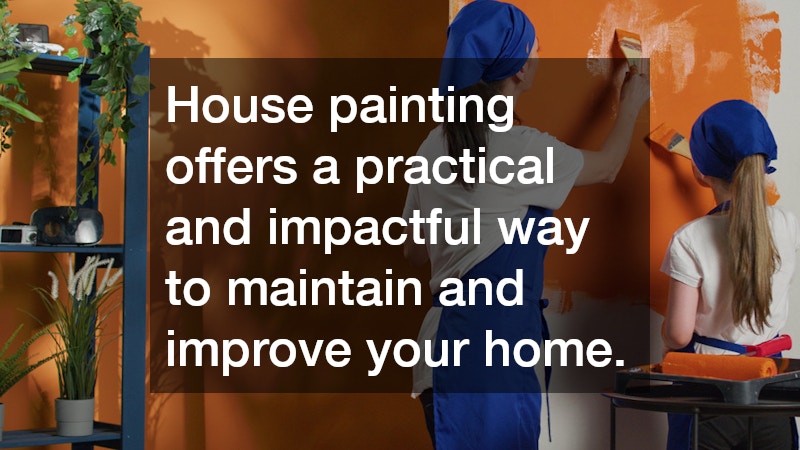
House painting offers a practical and impactful way to maintain and improve your home. From boosting curb appeal to protecting structural elements, the benefits extend far beyond aesthetics. With the right approach, materials, and ongoing care, a quality paint job can provide lasting value and comfort for years to come.
A fresh coat of paint can do more than improve appearance. It can protect your home, increase its value, and create a more comfortable living environment. Whether you are updating your interior, refreshing your exterior, or preparing to sell, house painting remains one of the most effective ways to enhance a property.
Why House Painting Matters
Over time, surfaces naturally show signs of wear. Walls become scuffed, colors fade, and exterior finishes face constant exposure to the elements.
House painting helps restore these surfaces while adding a layer of protection against moisture, sun damage, and everyday use.
Beyond maintenance, updated paint colors can completely change the look and feel of a space. Lighter shades can make rooms appear larger, while darker tones can add depth and warmth. On the exterior, a well-chosen color scheme can boost curb appeal and leave a strong first impression.
Interior Painting Benefits
Interior house painting focuses on improving the comfort and style of living spaces. It allows homeowners to personalize each room while addressing signs of wear and tear.
Some key advantages include:
- Refreshing outdated or faded colors
- Covering stains, marks, and minor imperfections
- Improving indoor air quality with low-VOC paint options
- Creating a cohesive design throughout the home
A professionally painted interior can make a home feel cleaner, brighter, and more inviting.
Exterior Painting for Protection
Exterior house painting serves a practical purpose beyond aesthetics. The outer surfaces of a home are constantly exposed to weather conditions such as rain, wind, and sunlight. Without proper protection, materials can deteriorate over time.
Benefits of exterior painting include:
- Shielding surfaces from moisture and rot
- Preventing cracks and structural damage
- Extending the lifespan of siding and trim
- Enhancing overall property value
Routine maintenance ensures that small issues do not develop into larger, more costly repairs.
Choosing the Right Paint and Colors
Selecting the right paint involves more than picking a color. Different surfaces require specific types of paint to ensure durability and long-lasting results.
When planning house painting, consider:
- The type of surface, such as drywall, wood, or stucco
- The level of foot traffic in interior areas
- Climate conditions for exterior applications
- Desired finish, such as matte, satin, or gloss
Color selection also plays an important role. Neutral tones remain popular for their versatility, while accent colors can highlight architectural features and add personality.
The Importance of Proper Preparation
Preparation is a critical step in any house painting project. Skipping or rushing this phase can lead to uneven results and reduced durability.
Essential preparation tasks include:
- Cleaning surfaces to remove dirt and debris
- Repairing cracks, holes, or damaged areas
- Sanding rough spots for a smooth finish
- Applying primer where needed
Taking the time to prepare properly ensures better adhesion and a more professional-looking result.
Professional vs. DIY Painting
Many homeowners consider handling painting projects themselves. While smaller interior jobs may be manageable, larger or more complex projects often benefit from professional expertise.
Hiring professionals for house painting can provide:
- Efficient project completion
- Access to high-quality tools and materials
- Consistent, even coverage
- Reduced risk of mistakes or damage
Professionals also have experience working with different surfaces and conditions, which helps ensure long-lasting results.
How Often Should You Repaint?
The frequency of house painting depends on several factors, including location, materials, and wear. Interiors may need repainting every few years, especially in high-traffic areas. Exteriors typically require attention every five to ten years, depending on climate and exposure.
Regular inspections can help identify when it is time for an update. Peeling paint, fading color, or visible damage are common signs that repainting may be needed.
Tips for Maintaining Painted Surfaces
Once your home has been painted, proper maintenance can extend the life of the finish and keep it looking fresh.
Helpful tips include:
- Cleaning walls and exterior surfaces periodically
- Addressing minor damage promptly
- Avoiding harsh cleaning products that can wear down paint
- Scheduling touch-ups as needed
Consistent care helps preserve both the appearance and protective benefits of painted surfaces.
A Fresh Look That Lasts
House painting offers a practical and impactful way to maintain and improve your home. From boosting curb appeal to protecting structural elements, the benefits extend far beyond aesthetics. With the right approach, materials, and ongoing care, a quality paint job can provide lasting value and comfort for years to come.